
REVIEW · ISTANBUL
Combo: Hagia Sophia+Basilica Cistern Optional Topkapi Palace
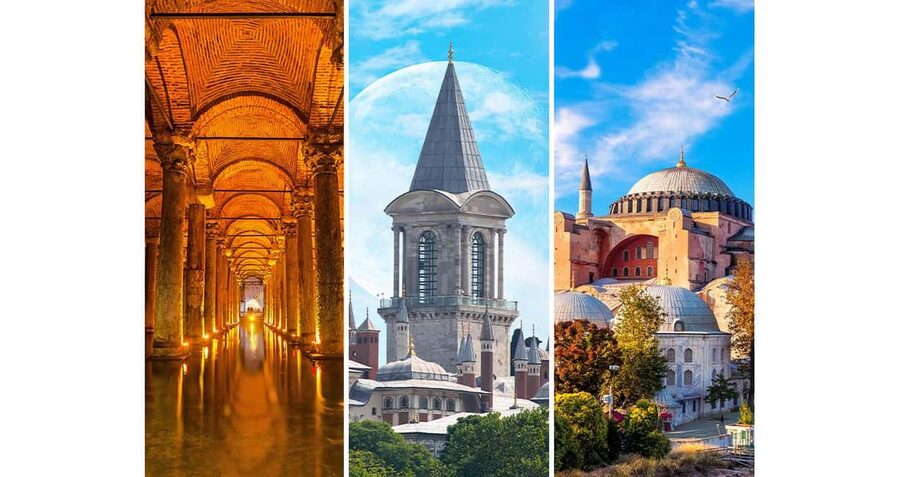
Istanbul keeps its best sights close together. This flexible combo links Hagia Sophia, the Basilica Cistern, the Blue Mosque, and, if you choose it, Topkapi Palace, giving you up to three days to visit at your own pace. I like the skip-the-ticket-line access, especially at the Basilica Cistern, and the freedom to spread the sightseeing over several days. The main drawback is that Topkapi Palace uses a separate meeting procedure, and the instructions can be confusing.
I also like having audio guides on my phone rather than following a group with a flag. They add useful background at the Blue Mosque, Hagia Sophia, and Basilica Cistern. Still, this is not a guided tour, and the audio can be awkward to download or match with what you are looking at. Security lines remain, and Hagia Sophia is still undergoing restoration.
Key points to know before booking
- The Basilica Cistern is where the skip-the-line benefit matters most: The standard queue can be long, while QR-ticket holders enter through the designated access point.
- You get three days of flexibility: Visit Hagia Sophia and the Cistern during regular opening hours instead of squeezing everything into one rushed morning.
- The Blue Mosque is free to enter: You receive an audio guide, but you must visit outside prayer times and dress modestly.
- Topkapi Palace is a serious half-day visit: Add the Harem if your budget allows, but expect a meeting point and not a simple QR scan at the gate.
- Your phone is the guide: Bring a charged smartphone, download the audio before arriving, and bring your own headphones.
- This is best for independent sightseers: You get convenience and commentary, but no live guide to answer questions or steer you through the buildings.
What this Istanbul combo actually includes
The package costs about $81 per person, with Topkapi Palace available as an optional addition. The basic arrangement covers entry to Hagia Sophia and the Basilica Cistern, audio commentary for both, and an audio guide for the Blue Mosque, which itself has free admission.
If you add Topkapi Palace, the package includes the palace, the Harem Section, and an audio guide. That extra choice changes the shape of your visit. Without Topkapi, you can comfortably focus on the compact Sultanahmet sights. With it, you have a fuller Ottoman itinerary that can occupy much of a day.
I see the value mainly in time saved and flexibility, not in a huge discount. Istanbul’s major attractions can have long ticket queues, especially the Basilica Cistern. The package helps you avoid buying separate tickets on the spot and lets you divide the visits over three days. Still, some sights are free or already easy to enter, so the price makes the most sense if you plan to see several included locations.
The audio guides are available in English, German, French, Spanish, and Italian. They work through your smartphone, so you do not receive a traditional headset or a personal guide. You need a charged phone and your own headphones.
More Topkapi and Dolmabahce Palace Tours in Istanbul:
- Topkapi Palace and Harem Skip-the-Line-Tickets & Audio Guide
★ 4.3 · 4,745 reviews - Basilica Cistern & Hagia Sophia with Optional Topkapi Palace
★ 4.6 · 3,547 reviews - Istanbul: Topkapi Palace and Harem Ticket with Audio Guide
★ 4.4 · 2,401 reviews
Hagia Sophia: grand, layered, and partly restricted
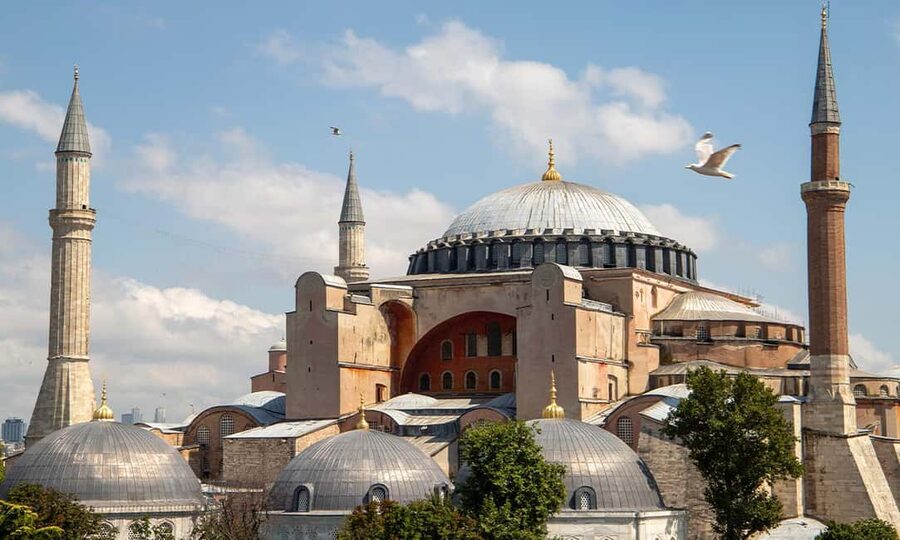
Hagia Sophia is the emotional center of this package. Its great dome, mosaics, and long religious story give the building unusual weight. It began as a Byzantine cathedral, later served as an Ottoman mosque, and remains a place where Christian and Islamic elements share the same space.
Inside, you can expect a powerful mix of scale and detail. Look up at the dome, then search for surviving mosaics showing Christian figures. One especially striking feature is the image of Jesus with the Virgin Mary and Saint John inside a building that functions as a mosque. That contrast is not a minor detail. It is the reason Hagia Sophia feels different from a standard museum visit.
The audio guide helps explain the building’s changing role and architectural details. It is useful if you want context without joining a group. The drawback is that some audio entries feel long, simple, or repetitive, and it can take a little time to connect a numbered stop on your phone with the part of the building in front of you.
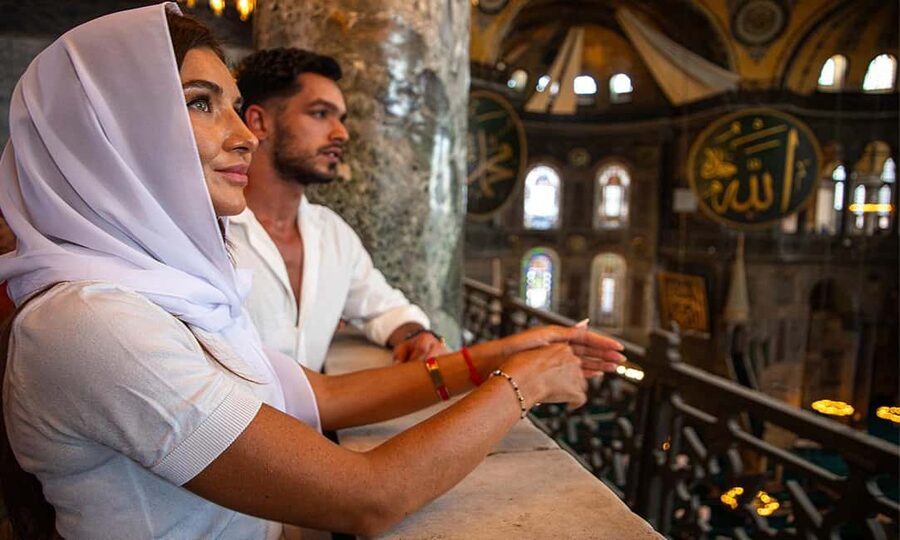
You should also know that access is not the same for everyone. Non-Muslim visitors cannot enter the first floor, according to the practical information provided for this experience. Restoration work continues inside and outside, so parts of the building may look unfinished or be less accessible than expected.
The QR ticket is designed to get you past the ticket booth queue, but it does not remove airport-style security. At busy times, you may still wait. One useful tactic is to avoid assuming morning is best. A visit around 2:30 p.m. was reported as having a shorter queue than an earlier attempt.
Basilica Cistern: the package’s strongest practical benefit
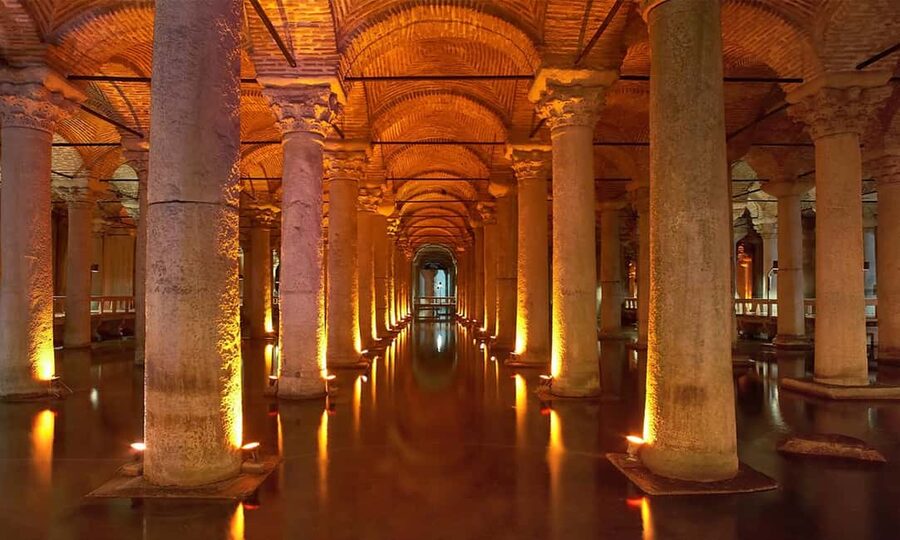
The Basilica Cistern is underground, atmospheric, and very different from the mosques above ground. Ancient columns rise from dimly lit water, with colored lighting drawing attention to different sections. The effect is quiet and mysterious in theory, though the space can become crowded and loud.
This is the stop where the ticket arrangement earns its keep. The outside queue can stretch a long way, but the QR-ticket entrance is not always obvious. Do not simply join the longest line. Walk toward the point where the barriers end and show your ticket to the staff. One visitor lost about 30 minutes by waiting in the regular queue before realizing this.
Inside, allow enough time to look at the columns and changing lights rather than treating the Cistern as a quick photo stop. The audio guide explains the site’s background and the stories connected with it. The commentary is helpful, though the Cistern itself can feel expensive if you spend only 15 or 20 minutes inside.
There are stairs, and one report specifically noted that the steps out had no handrail. That matters if you have balance or mobility concerns. The experience is not suitable for wheelchair users, people with mobility impairments, or people who are uncomfortable in enclosed spaces.
Blue Mosque: free entry with useful context
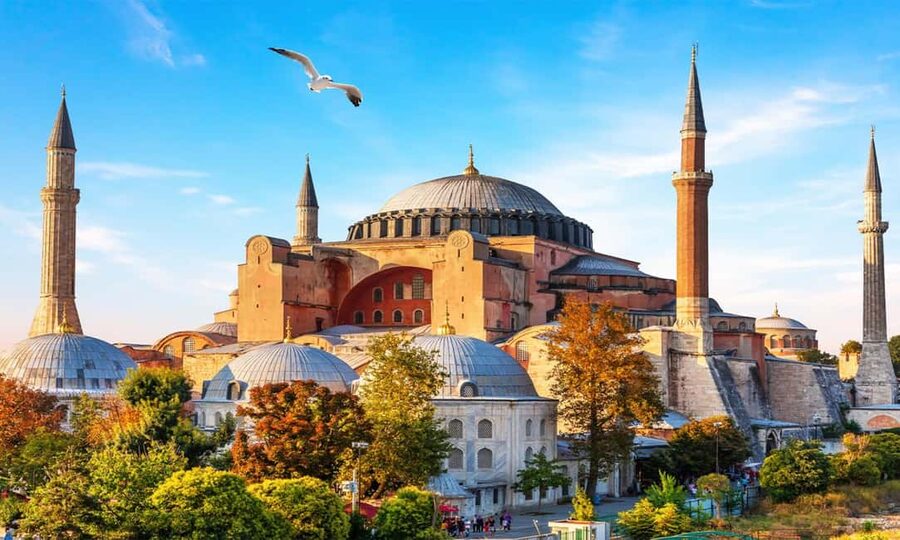
The Blue Mosque is included in the plan without an admission charge. The audio guide is the added value here, giving you background on the architecture, history, and religious purpose of one of Istanbul’s best-known mosques.
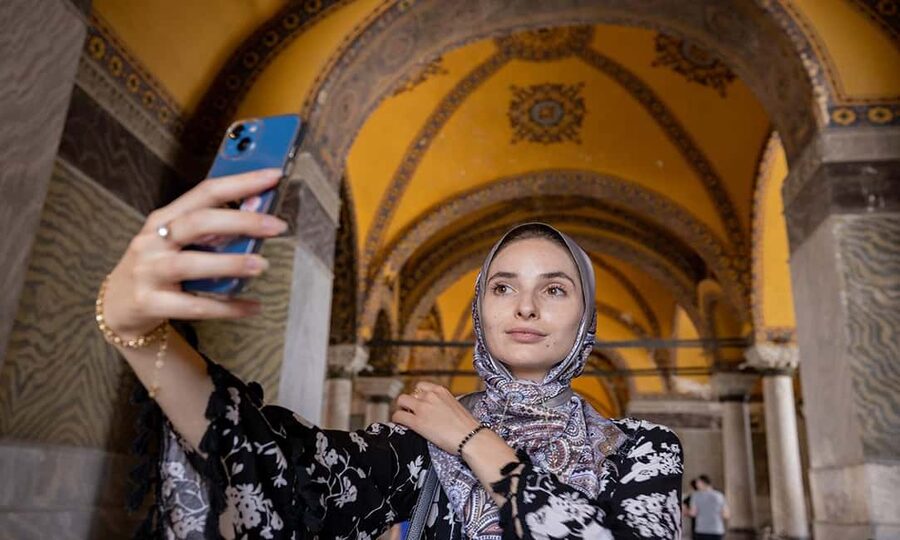
You must visit outside prayer hours, and the building remains an active place of worship. Modest dress is required. Knees and shoulders should be covered, and women should bring a headscarf. A scarf is listed among the recommended items, so pack one rather than relying on a last-minute purchase nearby.
Because entry is free, this part of the package is less about saving money and more about having information ready on your phone. You can visit independently and listen at your own pace. Some audio entries may feel too basic or repetitive, and there may also be real guides inside offering their own explanations, but the included commentary gives you a starting point without an extra fee.
Plan your visit around prayer times. The package does not promise immediate access at any hour, and the mosque’s religious function comes first. That is a normal part of visiting an active house of worship, not a flaw in the arrangement.
A few more palace visits around Istanbul worth a look
- Istanbul: Dolmabahce Palace and Harem Fast-Track & Audio
★ 4.7 · 1,772 reviews - Istanbul: Topkapi Palace and Harem Guided Tour with Ticket
★ 4.8 · 1,726 reviews - Basilica Cistern &Topkapi Palace &Hagia Sophia Combo Tickets
★ 4.6 · 1,306 reviews - Dolmabahce Palace & Harem Skip-the-Line Entry & Audio Guide
★ 4.7 · 927 reviews
Topkapi Palace: worth adding if you have half a day
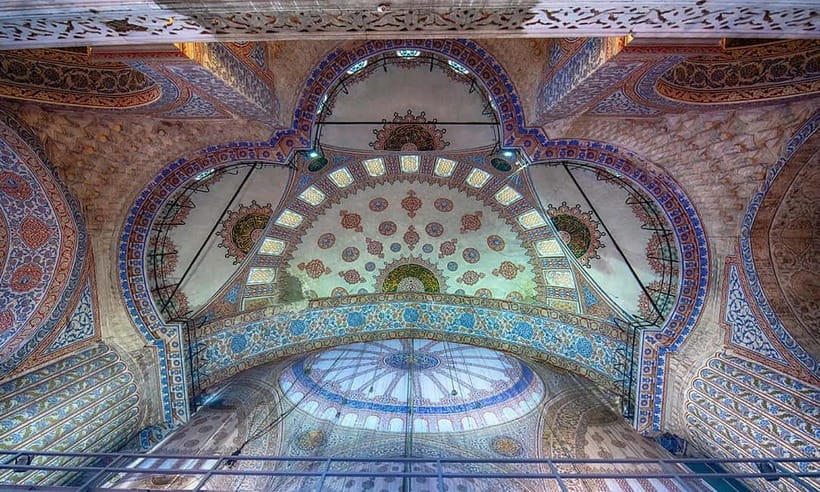
Topkapi Palace changes this from a central-sights pass into a fuller Ottoman-era visit. It was the imperial residence of Ottoman sultans, and the palace rooms, courtyards, collections, and Harem offer a closer look at court life than the monumental mosques can provide.
If you add the Harem, you get a more complete visit. The Harem was repeatedly praised as a favorite part of the palace experience, and it adds rooms and stories beyond the main palace route. I would choose the Harem upgrade if you have the time and your budget can handle the extra cost.
Do not treat Topkapi as a quick add-on. You need at least half a day to do it properly, and busy periods can stretch the visit to four hours or more. The palace can be tiring when combined with Hagia Sophia and the Cistern on the same day, which is why the three-day validity is useful.
Topkapi also has the least direct entry process. Unlike Hagia Sophia and the Cistern, you do not simply show a QR code at the palace gate. If selected, you meet a host at the designated meeting point, usually at one of the scheduled times between 9:30 a.m. and 4 p.m., with no entry on Tuesdays.
The instructions direct you to collect or clear your palace ticket at a cafe before proceeding. This has caused confusion. Some people waited outside expecting a guide, then discovered they needed to go to the cafe first. The host who leads the group onward can be helpful, but you should read the directions carefully and allow extra time for this step.
How to plan the three days
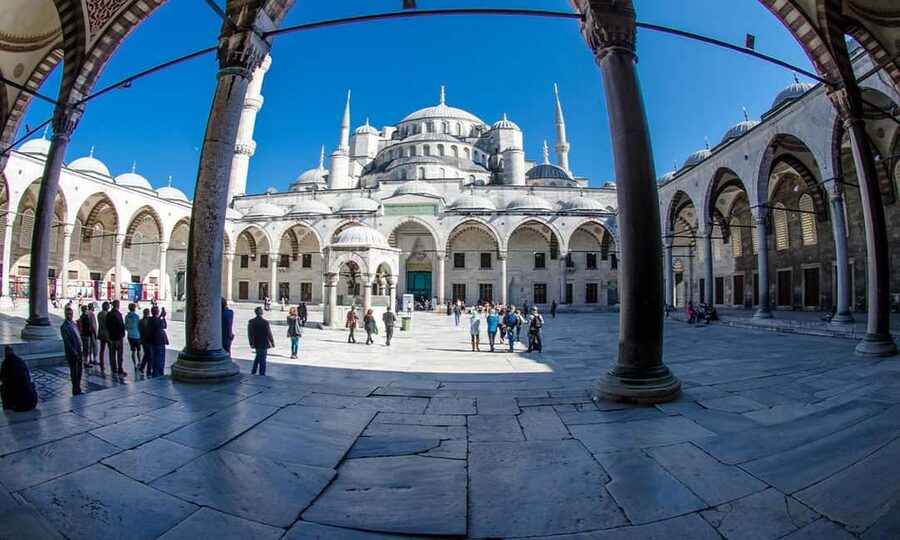
You can visit the included sights in any order during their regular opening hours. That freedom is useful because no single day needs to carry the whole load.
For a relaxed plan, visit Hagia Sophia and the Basilica Cistern on the same day. They are close enough to pair, and the contrast works well: one is a vast religious monument above ground, the other a low-lit water chamber below it. Add the Blue Mosque when prayer schedules allow.
Use a second day for Topkapi Palace if you select it. The palace deserves more than a hurried walk-through, especially if you want the Harem and audio guide. The third day gives you a cushion for weather, crowds, restoration closures, or a return to the sight that held your attention longest.
You can also complete everything in one day, but I would only recommend that if your schedule is tight. The buildings are close together, yet queues, security, prayer breaks, and the scale of Topkapi can make the day feel packed.
Audio guides, phones, and the small print that matters

Download the audio guides before you arrive whenever possible. Several problems reported with the system came from trying to load or use the commentary at the attraction. You may need an internet connection at first, and one practical tip is to download the tours in advance and avoid closing the audio page once it is working.
Your phone should be fully charged. Bring headphones, since they are not included. The audio links and QR tickets are normally sent by email the day before the visit. Same-day bookings receive them immediately.
The audio is not a replacement for a live guide. It cannot answer a question, point out a detail you missed, or adjust the route to your interests. On the other hand, it lets you stop, skip sections, and share the guide with a companion. One useful advantage is that two people can listen separately instead of standing shoulder to shoulder around one device.
The strongest commentary seems to be at the Cistern and Hagia Sophia, while the Blue Mosque guide offers a helpful basic introduction. Topkapi’s audio can be especially enjoyable if you like room-by-room storytelling, though quality can vary by language and section.
Queues, crowds, and what skip-the-line really means
The phrase skip the line needs careful reading. Your ticket helps you bypass the ticket booth queue. It does not let you pass through security, and it does not guarantee an empty entrance.
The biggest gain is usually at the Basilica Cistern, where the regular line can be long. Hagia Sophia can also benefit, although the advantage is less predictable. At some times, ticket holders still face a queue, while at others they walk through quickly.
The Blue Mosque has no paid ticket line because entry is free. Your audio guide adds convenience, not priority access. Topkapi has its own meeting and ticket procedure, so do not expect the same quick QR entry there.
This is a good package for someone who dislikes standing at ticket windows, but it is not a magic crowd shield. Arrive with realistic expectations and keep some time in reserve.
Dress, comfort, and access
Modest clothing is essential at Hagia Sophia and the Blue Mosque. Cover your shoulders and knees, and bring a headscarf if you are a woman visiting the mosque. A scarf is also useful simply because it prevents a last-minute clothing problem.
This experience is not wheelchair or stroller accessible. It is also unsuitable for people with mobility impairments or claustrophobia. The Cistern includes stairs, and the lack of a handrail on the exit stairs may be uncomfortable for some people.
Wear shoes suited to walking and carry water, especially if you combine several sites in one day. There is no transport or live escort included, so you are responsible for moving between the landmarks and keeping track of opening hours.
Who should book this experience?
I would choose this combo if you want Istanbul’s major Sultanahmet sights but prefer to set your own pace. It suits independent visitors, first-time visitors with limited planning time, and anyone who values bypassing ticket booths more than having a personal guide.
It is also a sensible choice if you can use the full three-day validity. Spread out, the package feels calm and manageable. Crammed into one day, it becomes a tiring sequence of queues, stairs, security checks, and audio tracks.
I would think twice if you want a fully guided experience, need wheelchair access, dislike using your phone for tours, or plan to visit only one attraction. The price can feel high when you count the free Blue Mosque and the variable value of the Cistern. It makes better financial sense when you include several paid sights and use the queue access well.
Should you book the Hagia Sophia and Cistern combo?
Book it if saving time at the Basilica Cistern matters and you want the freedom to visit over three days. Add Topkapi Palace and the Harem if you have at least half a day available and want a fuller look at Ottoman court life.
Skip the palace add-on if your Istanbul schedule is short or you dislike meeting-point arrangements. The core combination of Hagia Sophia, the Cistern, and the Blue Mosque is easier to manage, while Topkapi is rewarding but less simple.
At $81 per person, this is not the cheapest way to see Istanbul’s landmarks. It is a practical way to organize several major sights, reduce ticket-booth waiting, and carry useful commentary in your pocket. The Basilica Cistern is the clearest reason to buy it, while the three-day validity is what keeps the whole plan from becoming a frantic sightseeing race.
FAQ
How long is the combo valid?
The package is valid for three days. You can visit the included sights during their regular opening hours, subject to prayer times, weekly closures, and each attraction’s schedule.
Is there a live guide included?
No. This is a self-guided experience with audio guides on your smartphone. A host is involved with the Topkapi Palace entry process if you select that option.
What languages are available for the audio guides?
Audio guides are available in English, German, French, Spanish, and Italian. A Romanian audio guide was also used successfully for Topkapi Palace in one reported booking, but the listed standard languages are the five above.
Is entry to the Blue Mosque included?
Yes. Entry to the Blue Mosque is free, and the package includes an audio guide. You must visit outside prayer hours.
Do I need a ticket for the Blue Mosque?
No paid ticket is needed for the Blue Mosque. You receive free entry and use the included audio guide on your smartphone.
Does skip-the-line access remove all queues?
No. The QR tickets help you skip the ticket booth lines, but everyone must still pass through security. Hagia Sophia and the Basilica Cistern may still have waiting times during busy periods.
How does Topkapi Palace entry work?
If you select Topkapi Palace, you meet the host at the assigned meeting point. You do not simply scan the QR code at the palace entrance, and you may need to collect or clear your ticket at a cafe first.
Is Topkapi Palace open every day?
Topkapi Palace is closed on Tuesdays. Entry times are scheduled throughout the day, from 9:30 a.m. through 4 p.m., depending on the option booked.
What should I bring?
Bring a charged smartphone, your own headphones, and a scarf. Dress modestly, with shoulders and knees covered, for Hagia Sophia and the Blue Mosque.
Just added around Istanbul
- Orient Express & Agatha Christie’s Constantinople&PeraPalace★ 4.4 · 2 reviews
- Istanbul: Yildiz Palace & Museum Skip the Ticket Line Entry★ 4.7 · 21 reviews
- Istanbul: Two Continents with Beylerbeyi Palace Tour★ 4.4 · 7 reviews
- Istanbul : Topkapi Palace and Harem Entrance w/Audio Guide★ 4.9 · 5 reviews
- Istanbul: Topkapi Palace Guided Tour w/ Skip-the-Ticket-Line★ 5.0 · 25 reviews
- Istanbul: Topkapi Palace & Dolmabahce Palace Combo Ticket★ 5.0 · 7 reviews
- Istanbul: Topkapi Palace & Harem Express Highlight Tour★ 4.0 · 134 reviews
- Istanbul: Topkapi Palace and Harem Guided Tour★ 4.5 · 4 reviews
Topkapi and Dolmabahce Palace Tours, compared.
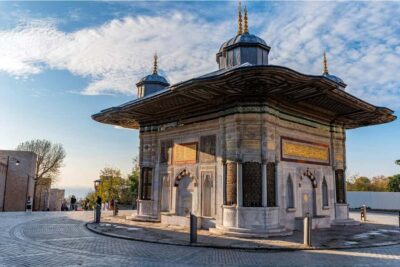
Topkapi Palace and Harem Skip-the-Line-Tickets & Audio Guide
Read our review →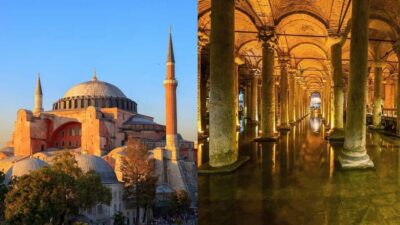
Basilica Cistern & Hagia Sophia with Optional Topkapi Palace
Read our review →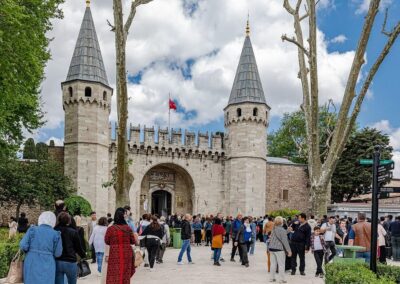
Topkapi Palace and Harem Ticket with Audio Guide
Read our review →
Dolmabahce Palace and Harem Fast-Track & Audio
Read our review →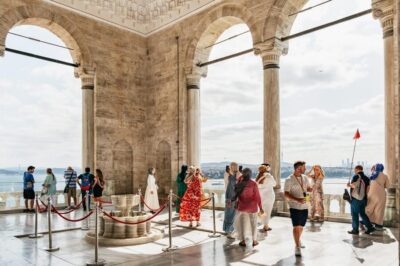
Topkapi Palace and Harem Guided Tour with Ticket
Read our review →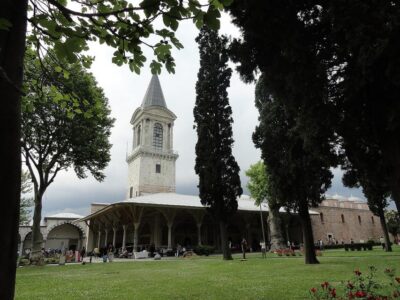
Basilica Cistern &Topkapi Palace &Hagia Sophia Combo Tickets
Read our review →
Dolmabahce Palace & Harem Skip-the-Line Entry & Audio Guide
Read our review →Topkapi Palace and Harem Ticket with Audio Guide
Read our review →Browse the lists this tour appears in