
REVIEW · FRANCE
The Blending Tour at Château de La Dauphine
Wine has a laboratory side. At Château de La Dauphine, you walk through the château, park, vineyards, and technical buildings before testing your nose and making a personal blend. I like the hands-on workshop and the chance to learn through scent instead of simply sipping three glasses. I also like the small, private format, which keeps the visit personal. The main drawback is the fixed, non-refundable booking policy, so you will want your plans settled before paying.
The tour costs $23 and takes about two hours, a fair price for a château visit plus a guided tasting activity. Carissa is praised for her warm style and can speak Spanish, while Valentine has also led the visit. You must arrange your own transportation to Fronsac, and the tour returns to the château when it ends.
Key points at a glance
- Your visit includes more than a tasting: You see the château, park, vineyards, and working technical buildings before the wine activity begins.
- The blending workshop is the main event: You train your nose, connect aromas with wine, and create a blend suited to your taste.
- The experience lasts about two hours: That gives you enough time for the estate tour and workshop without taking up a full day.
- The setting is close to Libourne: The château is at 5 Rue Poitevine in Fronsac, making it a practical stop near the town.
- Guides add a personal touch: Carissa is described as friendly and personable, and she speaks Spanish.
- You need your own ride: Private transportation is not included, and the activity starts and finishes at the château.
Arriving at Château de La Dauphine in Fronsac
Your visit begins at Château de La Dauphine, 5 Rue Poitevine, 33126 Fronsac, France. This is not a pickup tour, so plan your route before you go. The meeting point is also the end point, which makes the logistics simple once you arrive.
The château sits near Libourne, and one French-language comment describes it as only a short distance from the town. That makes this a useful add-on if you are already touring the Libourne or Fronsac area. You will not need to organize a second meeting point after the tasting, but you do need to handle the journey there and back yourself.
The listed visiting period runs from November 1, 2024, through October 31, 2025, with opening hours shown as daily from 10:00 a.m. to 3:30 p.m. Your confirmed time matters, since a two-hour activity needs to fit inside those hours. Confirmation is sent within 48 hours of booking, subject to availability, so do not assume that a preferred time is secured until you receive confirmation.
More Chateau and Wine Estate Tours in France
- Medoc or Saint Emilion Wine Tasting and Chateau from Bordeaux
★ 5.0 · 1,415 reviews - From Paris: Full-Day Loire Valley Chateaux Tour
★ 4.4 · 1,269 reviews - Versailles Château and Gardens Walking Tour
★ 4.5 · 727 reviews
The château, park, and vineyard walk
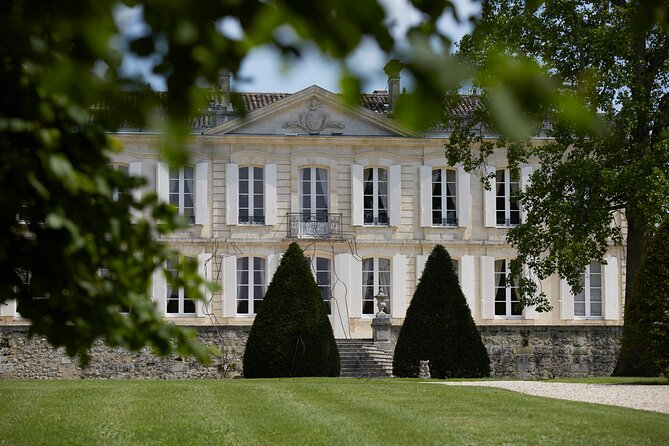
The first part of the experience introduces Château de La Dauphine and its grounds. You see the château itself, walk through the park, and visit the vineyards before moving into the technical buildings where the wine is handled.
That sequence is useful because it connects the finished drink with the place that produces it. You begin with the estate and its setting, then see the vines, and finally move toward the practical side of winemaking. This is more satisfying than a tasting that takes place in a room with no sense of where the wine came from.
The supplied details do not give a room-by-room description of the château or a precise walking route, so you should not expect a promised list of architectural features. What you can count on is a guided introduction to the property, its vineyards, and its production spaces. Bring comfortable shoes, since the visit includes outdoor areas and several parts of the estate.
The château is also a good place for photographs. One morning visitor particularly enjoyed the building and took many pictures before tasting the wine. If you care about the setting as much as the glass in front of you, this first section gives the tour a stronger sense of place.
Why the technical buildings matter
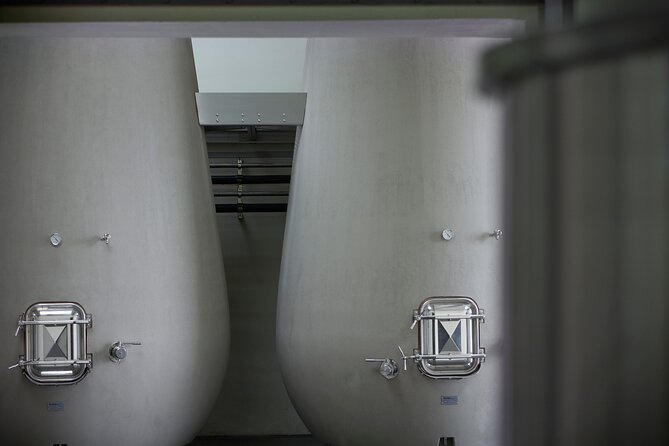
The technical buildings are an important stop, even if you are more interested in drinking wine than studying production. They show the working side of the estate and help explain why blending is not simply a matter of pouring two bottles together.
The tour does not promise a long winemaking lecture, and the available information does not specify which equipment or production stages you will see. That is worth keeping in mind. You are receiving an estate visit with a tasting workshop, not a full professional cellar course.
Still, the stop gives useful context. When you later compare aromas and flavors, you have already seen that the wine belongs to a place and a process. I find that this makes the tasting easier to understand, especially if you are new to Bordeaux wine.
Training your nose before you blend
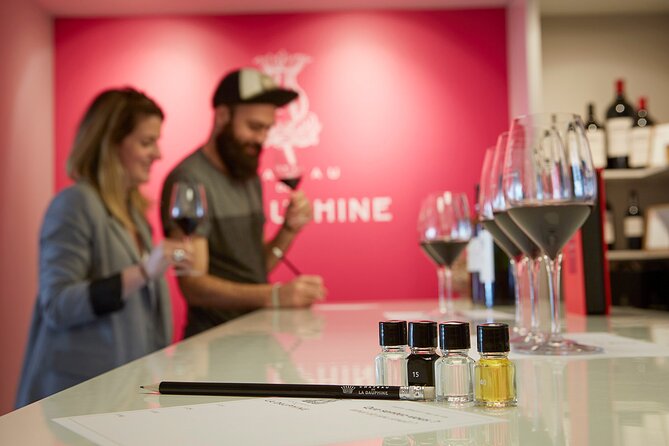
After the estate tour, the focus shifts to the senses. You receive a short introduction to wine tasting and work on your sense of smell and olfactory memory. In plain terms, you are asked to notice aromas, remember them, and connect them with what you taste.
This is the most distinctive part of the activity. Many wine visits ask you to identify a few flavors, then move quickly to the next glass. Here, the nose becomes a skill you practice. Carissa is praised for helping people recognize different smells and understand how those aromas relate to the wines.
That approach can be helpful if tasting notes usually sound like a foreign language. Instead of worrying about finding the perfect word, you can focus on what your senses actually detect. The activity is designed to make wine tasting less mysterious and more playful.
Carissa is also described as fun and personable, which matters during a sensory exercise. A stiff presentation could make this activity feel like a test. Her reported style suggests a more relaxed setting where you can try, compare, and learn without feeling that every answer has to be correct.
A Spanish-speaking guide is another practical advantage. Carissa speaks Spanish, so Spanish-speaking visitors may find it easier to discuss aromas and preferences. Valentine has also led the experience, and one couple praised her for explaining the château’s story before guiding them through the wine activity.
Same place, a different set of state rooms:
- Paris: Versailles Palace and Gardens Full Access Ticket
★ 4.6 · 41,579 reviews - Versailles: Skip-the-Line Tour of Palace and Gardens Access
★ 4.7 · 10,429 reviews - From Paris: Versailles Palace & Gardens with Transportation
★ 4.6 · 6,222 reviews - Versailles: Skip-the-Line Guided Palace Tour and Full Access
★ 4.6 · 5,214 reviews
Creating a wine that suits your taste
The workshop asks you to create your own wine blend. This gives the visit a clear purpose: you are not just tasting what the château has already made, you are thinking about balance and personal preference.
The supplied information does not specify the grape varieties, exact proportions, equipment, or whether you take a bottle home. Do not book this expecting a guaranteed souvenir blend unless the château confirms that separately. The confirmed part is the chance to make your own blend during the workshop.
That limitation does not reduce the value of the exercise. The point is to understand how different wine components can change the final result. You might prefer a blend that feels softer, fruitier, fuller, or more structured, but the activity lets you discover that preference through comparison rather than theory alone.
I especially like this format for couples or friends. You can make different choices from the same tasting and compare the results. It turns a standard wine lesson into a small experiment, with your own palate as the judge.
The activity is private, meaning only your group participates. That is a real benefit for anyone who dislikes speaking up in a large tasting room. It also makes it easier to ask basic questions, repeat an aroma exercise, or explain that you are not sure what you are smelling.
The trade-off is that a private activity can depend heavily on the guide and your own group dynamic. If your group is very quiet, the session may feel less lively. If everyone joins in, the format should make the blending game more engaging.
Tasting three wines and learning by comparison
One account describes a two-hour visit ending with the activity called Le Sens du Vin and a tasting of three wines. The formal tour details describe a brief introduction to wine tasting and alcoholic beverages as included, so you can expect wine to be part of the experience rather than an optional extra.
Three wines provide enough comparison to notice differences without turning the session into a long tasting marathon. You can pay attention to smell, taste, and your own reaction, then use those impressions during the blending exercise.
The exact wines are not listed, so I would not expect a guaranteed vintage, grape mix, or bottle selection. If you have a particular wine in mind, ask the château before booking. The experience is built around sensory learning and blending, not a published menu of specific labels.
For a first wine visit, this is a sensible amount. You receive a guided introduction, but you are not asked to keep track of a dozen glasses. Since alcohol is included, pace yourself and use the tasting to compare rather than simply finish each pour.
How the $23 price measures up
At $23, the experience offers more than a basic glass-and-chat tasting. Your fee covers about two hours, an estate visit, the park and vineyard areas, access to the technical buildings, a tasting introduction, alcoholic beverages, and the blending workshop.
That is good value if you want both setting and participation. A short tasting alone can feel thin, especially if you have traveled out of your way to reach a château. Here, the grounds and production areas give you something to see, while the sensory activity gives you something to do.
The price is less compelling if you only want to sample finished wines. You may prefer a simpler tasting if the château, vineyards, and workshop do not interest you. This tour earns its price through the combination of place, instruction, and hands-on blending.
The fee does not include private transportation. Add the cost and time of reaching Fronsac when comparing this with other Bordeaux-area activities. Since the tour ends where it starts, you will also need to plan your onward journey from the château.
Who will enjoy this private experience most
I would recommend this for wine beginners, curious couples, and small groups who want a relaxed introduction to tasting. You do not need to arrive with a vocabulary of wine terms. The sensory exercises are meant to help you build that vocabulary as you go.
It also suits people who enjoy learning through an activity. If you like making comparisons and deciding what you prefer, the blending workshop should be more memorable than a passive tasting. The private format is useful for groups who want attention from the guide.
Spanish-speaking visitors may also appreciate Carissa’s language skills. Her friendly approach has received particular praise, and a guide who can explain aromas clearly can make a noticeable difference.
This may not be the right choice if you need flexible plans. The experience cannot be refunded or changed for any reason, so last-minute schedule changes can be costly. It may also disappoint anyone seeking private transport, a specified list of wines, or a detailed technical course.
Timing, booking, and practical planning
Set aside about two hours, then allow extra time for getting to the château and leaving afterward. The listed hours run from 10:00 a.m. to 3:30 p.m. daily during the stated season, but your booking still depends on availability.
Confirmation arrives within 48 hours of booking, subject to availability. I would book before setting other time-sensitive plans around the visit. The château has sometimes been able to accommodate people who arrived without a reservation, but that is not something you should rely on, especially for a private activity.
Because the booking is non-refundable and cannot be amended, double-check the date, number of people, and route before paying. A mobile ticket is provided, so you can keep the admission details on your phone rather than arrange a printed voucher.
The activity includes alcohol, so think about your transport plan before the first glass. The information does not state that transportation is provided, and private transportation is specifically excluded. Arrange a safe way to return to your accommodation or continue your day.
Should you book the Château de La Dauphine blending tour?
Book it if you want a small-scale château visit with a real activity attached. The estate tour gives you the setting, while the scent work and blending workshop give you a reason to pay close attention. At $23, that combination is strong value for a two-hour visit.
I would be especially comfortable recommending it to beginners and couples. Carissa’s warm, personable style, her Spanish-language ability, and Valentine’s praised guidance add a human touch to what could otherwise be a routine tasting.
Skip it if your priority is transport, a guaranteed list of specific wines, or flexible cancellation. The private format and non-refundable terms require firm plans. For everyone else, this is a practical way to see Château de La Dauphine, learn how your nose affects tasting, and leave with a clearer idea of the kind of wine you actually like.
FAQ
Where does the blending tour start?
The tour starts at Château de La Dauphine, 5 Rue Poitevine, 33126 Fronsac, France.
Where does the activity end?
The activity ends back at the château, the same place where it begins.
How long does the experience last?
The tour lasts approximately two hours.
What does the tour include?
It includes a visit to the château, park, vineyards, and technical buildings, followed by a short introduction to wine tasting and a wine-blending workshop. Alcoholic beverages are included.
Is transportation included?
No. Private transportation is not included, so you must arrange your own transportation to and from Château de La Dauphine.
Is this a private tour?
Yes. Only your group participates in the activity.
What are the listed opening hours?
The listed hours are Monday through Sunday from 10:00 a.m. to 3:30 p.m., for the period from November 1, 2024, through October 31, 2025.
Will I receive confirmation after booking?
Confirmation is sent within 48 hours of booking, subject to availability.
Can I cancel or change the booking?
No. The experience is non-refundable and cannot be changed for any reason.
Just added around France
- Day Tour of Chateaux of Chenonceau, Chambord & Caves Ambacia from Tours/Amboise★ 4.5 · 155 reviews
- Guided walking tour of Chenonceau chateau★ 4.5 · 2 reviews
- Day Tour of Chateaux of Chenonceau & Chambord from Tours/Amboise★ 5.0 · 17 reviews
- Price instead: From Strasbourg to Château ,Riquewihr and Colmar★ 4.0 · 5 reviews
- Visit and Tasting Château Saint-Georges Cote Pavie, Grand Cru Classé★ 5.0 · 135 reviews
- Area ,Opera, Jewellery,Fashion,Palais Royal walking tour★ 5.0 · 47 reviews
- WW1 Belleau Wood and American Monument in Château-Thierry – Day trip from Paris★ 5.0 · 15 reviews
- Versailles Palace & Giverny Private Tour with Lunch&Hotel Pick-up★ 5.0 · 48 reviews
Chateau and Wine Estate Tours, compared.
Medoc or Saint Emilion Wine Tasting and Chateau from Bordeaux
Read our review →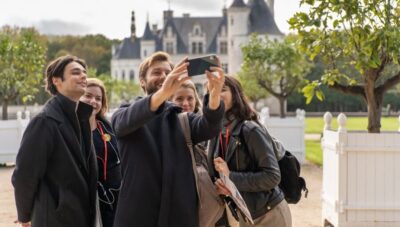
Versailles Château and Gardens Walking Tour from Paris by Train
Read our review →
Loire Valley: Château Royal d’Amboise Entrance Ticket
Read our review →
Fontainebleau & Vaux-le-Vicomte Châteaux Day Tour from Paris
Read our review →
Browse the lists this tour appears in