
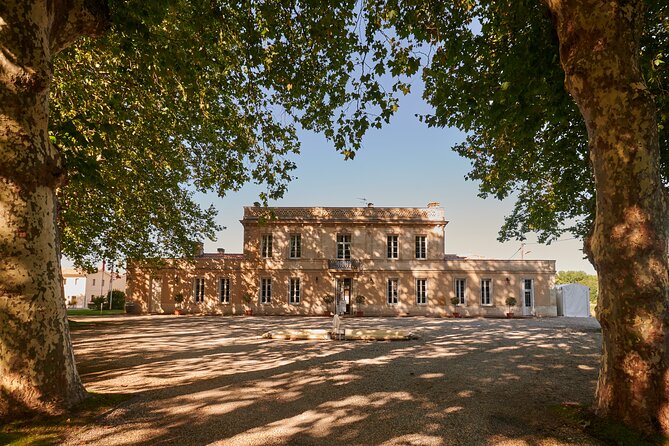
REVIEW · FRANCE
Discovery Tour of Château Haut Breton Larigaudière
Small cellar, serious wine. The one-hour discovery tour at Château Haut Breton Larigaudière gives you a clear introduction to Margaux wine, from family ownership and local soils to the working vat room and barrel cellar. I especially like the four-wine tasting at the end and the small maximum group of 10, which should make questions easier and the visit less rushed.
The price is $17.35 per person, a fair deal for a guided estate visit with four tasting glasses included. The main consideration is timing: the tour lasts about one hour, so you should see it as a focused introduction rather than a full-day Médoc wine experience. Schedule changes are possible, too, although advance notice was provided in one case.
Key points to know before you book
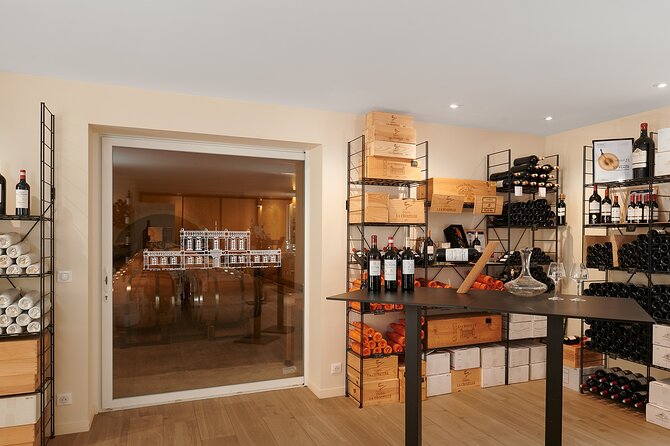
- Four wines finish the visit: Each tasting glass is included, with an expert guide explaining what you are drinking.
- The tour shows the working side of wine: You visit the traditional vat room and barrel cellar, not just a polished reception area.
- Three generations of one family own the estate: The De Schepper family story adds a personal thread to the estate visit.
- The group is capped at 10 people: This is a useful size for listening closely and asking questions.
- The address is in Soussans: You meet at 3 Rue des Anciens Combattants, 33460 Soussans, France, and return there after the tour.
- The visit is short and affordable: At roughly one hour and $17.35, it fits neatly into a day exploring the Margaux area.
Arriving at Château Haut Breton Larigaudière in Soussans
Your visit begins at 3 Rue des Anciens Combattants in Soussans, France. The activity ends back at this same meeting point, which keeps the plan simple. You do not need to arrange a separate pickup or find your way to a second location after the tasting.
The supplied details do not state that transportation is provided, so plan to reach the château independently. That matters in the Médoc, where several wine estates are spread across different villages. Check your route and allow enough time to arrive before the scheduled start, especially if you are fitting this stop between other appointments.
I like the fact that the meeting point is also the end point. It removes one small source of confusion from a wine-country day, when cellar names and estate entrances can begin to blur together. Still, confirm the exact time before setting out. Booking confirmation is sent within 48 hours, subject to availability, and one visit had its time changed in advance.
More Chateau and Wine Estate Tours in France
- Medoc or Saint Emilion Wine Tasting and Chateau from Bordeaux
★ 5.0 · 1,415 reviews - From Paris: Full-Day Loire Valley Chateaux Tour
★ 4.4 · 1,269 reviews - Versailles Château and Gardens Walking Tour
★ 4.5 · 727 reviews
The De Schepper family story
The tour begins with the background of Château Haut Breton Larigaudière and the De Schepper family, who have owned the estate for three generations. This is more useful than a quick list of old dates because it gives you a way to understand the property as a working family business.
A family connection can also make the wine easier to remember. Instead of hearing only about grape names and technical terms, you get a sense of continuity and responsibility. Three generations suggest that the estate’s identity is tied to both tradition and ongoing decisions about how the wines are made.
The details provided do not specify the first year of ownership or the full family timeline, so the guide will be the best person to fill in those gaps. Ask about how the estate has changed across the three generations if that interests you. With a group of no more than 10, you should have a reasonable chance to ask without holding up a large crowd.
Reading the soils and grape varieties
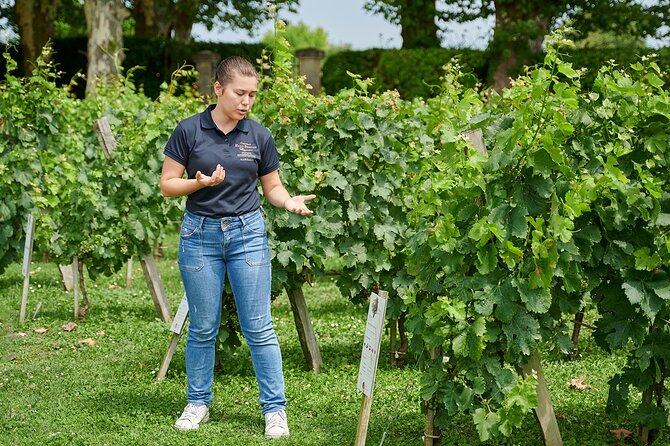
Next comes an explanation of the estate’s soils and the grape varieties used in its wines. This is an important part of a Margaux visit because the same broad region can produce wines with different character depending on the ground beneath the vines and the blend of grapes.
You do not need to arrive with a technical wine vocabulary. The point is to connect the place to the bottle. Soil affects drainage and growing conditions, while grape varieties contribute different aromas, structure, color, and aging potential. A good guide turns those ideas into something you can notice in the glass.
The visit description promises an explanation of the unique characteristics of the soils and varieties used by the château, but it does not list the specific soil types or grapes. That is a reason to listen closely rather than rely on a prepared checklist. If you want the most from the tasting, remember one or two points from this section and see if you can detect them later.
This part should appeal to curious beginners as well as people who already know Bordeaux wines. Beginners get a framework. More experienced wine drinkers can use the time to ask how the estate’s choices affect the final blend.
Inside the traditional vat room
The traditional vat room shows where the winemaking process moves from vineyard fruit to fermenting wine. This is the practical heart of the tour. You are not only hearing about the finished bottle, you are seeing part of the equipment and facilities used to make it.
The word traditional matters here. It suggests a connection to established winemaking methods, though the supplied information does not specify the materials, tank sizes, or production techniques used at the château. Avoid assuming that every detail follows an old-fashioned method. Instead, use the guide’s explanation to learn how tradition fits the estate’s current work.
For me, this is one of the most valuable stops because it gives context to the tasting. A bottle can seem mysterious when you only encounter it on a shop shelf or restaurant table. Seeing the technical facilities helps you understand that the final wine is the result of many stages, not simply a regional label.
The limitation is time. The complete visit lasts about an hour, and the vat room is only one part of the route. You will receive an introduction, not a long production seminar. If you want a detailed lesson on fermentation, ask your questions early enough for the guide to answer them before the group moves on.
Same place, a different set of state rooms:
- Paris: Versailles Palace and Gardens Full Access Ticket
★ 4.6 · 41,579 reviews - Versailles: Skip-the-Line Tour of Palace and Gardens Access
★ 4.7 · 10,429 reviews - From Paris: Versailles Palace & Gardens with Transportation
★ 4.6 · 6,222 reviews - Versailles: Skip-the-Line Guided Palace Tour and Full Access
★ 4.6 · 5,214 reviews
The barrel cellar and the making of wine
The barrel cellar adds another step to the story. Here, the focus shifts from fermentation and technical production toward the way wine is handled as it develops. The description promises insight into crafting an authentic wine, but it does not specify the length of aging, the type of wood, or the exact cellar conditions.
That lack of detail is not a flaw in the tour itself. It simply means you should treat the cellar visit as an introduction. Ask the guide what the barrels contribute and how the estate decides when a wine is ready for the next stage. Those questions can turn a short stop into a much more useful lesson.
I like the order of the visit: family background first, then soils and grapes, followed by the vat room and barrel cellar, and finally the tasting. It creates a logical path from place to process to flavor. You are less likely to taste the wines as isolated products because you have just seen the facilities and heard how the estate approaches them.
The cellar may be less exciting for someone who wants grand architecture or a long scenic stroll. The main attraction here is the wine itself and the working side of the property. If you want elaborate grounds or a large museum-style estate, the tour description does not promise that.
Four wines at the guided tasting
The tasting is the payoff, with four wines served and explained by one of the château’s expert guides. Alcoholic beverages are included, and the listed price covers four tasting glasses. That makes the cost easy to understand: you are paying for the estate tour, the explanation, and a tasting rather than adding an unexpected sampling charge later.
The tasting should make the earlier parts of the visit more concrete. Listen for links between each wine and the soils, grape varieties, or cellar work discussed along the route. You might find that one wine shows a different side of the estate than another, or that the guide uses the four glasses to explain variation within the château’s production.
The guide is a major part of the experience. One written account praises a Portuguese-born guide whose English and explanations were excellent. Another describes the guide as clear and patient, with a strong teaching style, and gives the final tasting high praise. Those comments point to a visit that works well for people who want explanations in plain language, not just a series of wine names.
The guide’s name is not clearly identified in the supplied tour information. The provider’s replies are signed Bruna, but that does not establish that Bruna leads every visit. If you need a particular language, confirm it when booking rather than assuming.
Four wines is a useful amount for a one-hour introduction. It gives you enough comparison to notice differences without turning the tasting into a marathon. If you are driving afterward, keep the alcohol component in mind and arrange your day responsibly. Additional purchases are not included, so any bottles or other items you choose to buy would cost extra.
Is $17.35 a good value?
At $17.35 per person, this is one of the easier wine experiences to justify on price. You receive a guided tour of the estate and technical facilities, a family and regional introduction, and four tasting glasses. The small group limit of 10 adds value because the guide can explain points and answer questions without addressing a packed room.
The price is especially reasonable if you want a short stop between other Médoc activities. One hour does not consume half your day, and the visit has a clear beginning and end at the same address. It is also a good option if you are interested in wine but do not want to commit to a long, expensive tasting program.
The value depends on your expectations. If you want an extensive vineyard walk, a meal, a large number of wines, or a long technical session, this tour may feel brief. None of those extras are included in the stated package. You are buying a compact introduction, not an all-day private wine lesson.
A perfect 5 rating based on two written ratings is encouraging, especially because the praise focuses on the guide’s teaching and the quality of the tasting. The sample is small, so I would treat it as a positive signal rather than a guarantee that every visit will feel identical.
Who will enjoy this one-hour visit?
I would recommend the tour to first-time visitors to Margaux who want a clear introduction without a large time commitment. It also suits couples, small groups, and wine drinkers who prefer to learn by seeing the cellar and then tasting the result.
It is a good fit for English-speaking visitors because the guide has been praised for clear English explanations. The service also allows service animals, which is useful practical information when planning your day.
Families should consider the alcohol-centered format. The included tasting is the central feature, and the tour is designed around wine production. The supplied information does not state a child policy, so confirm details directly if you plan to bring children.
I would be less likely to choose it if my main goal were scenery or a long outdoor visit. The published description concentrates on the estate’s history, soils, grape varieties, vat room, barrel cellar, and four wines. That sounds focused and useful, but not broad or leisurely.
Timing, booking, and cancellation advice
The experience is generally booked about 16 days ahead, which gives you a useful planning clue. You do not necessarily need to book months out, but I would avoid leaving it until the final day if your schedule depends on a particular time.
Confirmation arrives within 48 hours, subject to availability. Check the confirmation carefully, especially the start time and meeting address. A time change has occurred before, with advance communication and no reported problem, but a change could matter if you have another château visit booked afterward.
Free cancellation is available if you cancel at least 24 hours before the local start time. Canceling later, or requesting changes within that 24-hour window, does not qualify for a refund. Keep that cut-off in mind when building a full day of wine tasting.
Should you book Château Haut Breton Larigaudière?
Book it if you want a well-priced, one-hour introduction to Margaux wine with a small group, a look at real production spaces, and four guided tastings. The strongest reason to choose it is the teaching. The available feedback points to clear explanations, strong English, and a final tasting that feels like more than a quick pour.
Skip it if you are seeking a long vineyard outing, a large estate with many attractions, or a broad food-and-wine program. The experience is intentionally compact. For the right visitor, that is its strength: you learn the basics, taste four wines, and still have much of the day left for another stop in the Médoc.
FAQ
Where does the Château Haut Breton Larigaudière tour start?
The tour starts at 3 Rue des Anciens Combattants, 33460 Soussans, France.
Where does the tour end?
The activity ends back at the same meeting point in Soussans.
How long does the tour last?
The tour lasts approximately one hour.
How many people can join the tour?
The maximum group size is 10 travelers.
What is included in the price?
The price includes a guided tour of the estate and technical facilities, plus four tasting glasses with alcoholic beverages.
Are additional purchases included?
No. Additional purchases are not included in the tour price.
What will I see during the visit?
You will learn about the De Schepper family, the estate’s soils and grape varieties, and the production process. The visit includes the traditional vat room and barrel cellar.
Will I taste wine during the tour?
Yes. The tour ends with a guided tasting of four wines.
Are service animals allowed?
Yes. Service animals are allowed on this activity.
Can I cancel for a full refund?
Yes, if you cancel at least 24 hours before the experience start time. Cancellations made less than 24 hours before the start time are not refunded, and changes within that period are not accepted.
Just added around France
- Day Tour of Chateaux of Chenonceau, Chambord & Caves Ambacia from Tours/Amboise★ 4.5 · 155 reviews
- Guided walking tour of Chenonceau chateau★ 4.5 · 2 reviews
- Day Tour of Chateaux of Chenonceau & Chambord from Tours/Amboise★ 5.0 · 17 reviews
- Price instead: From Strasbourg to Château ,Riquewihr and Colmar★ 4.0 · 5 reviews
- Visit and Tasting Château Saint-Georges Cote Pavie, Grand Cru Classé★ 5.0 · 135 reviews
- Area ,Opera, Jewellery,Fashion,Palais Royal walking tour★ 5.0 · 47 reviews
- WW1 Belleau Wood and American Monument in Château-Thierry – Day trip from Paris★ 5.0 · 15 reviews
- Versailles Palace & Giverny Private Tour with Lunch&Hotel Pick-up★ 5.0 · 48 reviews
Chateau and Wine Estate Tours, compared.
Medoc or Saint Emilion Wine Tasting and Chateau from Bordeaux
Read our review →
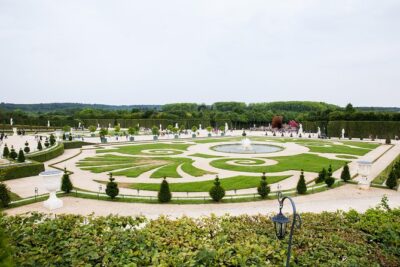
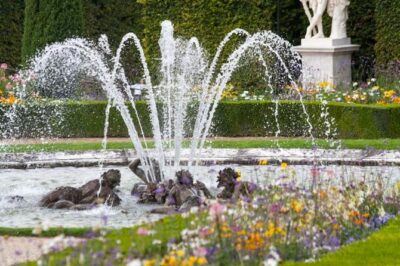
Versailles Château and Gardens Walking Tour from Paris by Train
Read our review →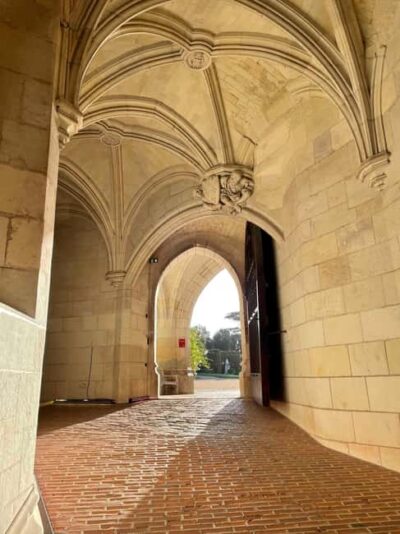
Loire Valley: Château Royal d’Amboise Entrance Ticket
Read our review →
Fontainebleau & Vaux-le-Vicomte Châteaux Day Tour from Paris
Read our review →
Browse the lists this tour appears in