
REVIEW · BUDAPEST
Palace District Evening Culinary, Wine, and History Walk
Come hungry, leave happily full. This four-hour evening walk combines Hungarian food and wine with the elegant streets of Budapest’s Palace District, then moves toward the Jewish Quarter and Astoria. I like the steady parade of small tastings, from local cheese and charcuterie to goulash, pálinka, and coffeehouse dessert. I also like the small-group format, which gives you room to ask questions and keep the evening relaxed.
The main consideration is the price: at $145 per person, this is not a cheap dinner. Dietary restrictions may also be hard to manage because several tastings follow traditional Hungarian food customs. If you prefer a quiet restaurant meal or dislike walking between stops, this progressive dinner may feel too busy.
Key points at a glance
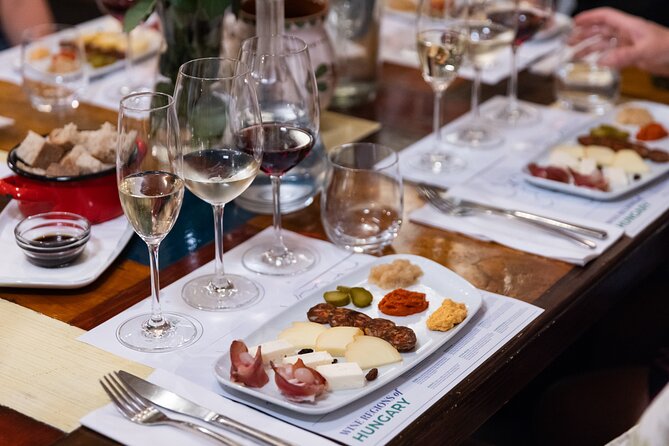
- Six or more food and drink stops: Expect wine, cheese, charcuterie, bakery snacks, pálinka, goulash, a substantial savory course, and dessert.
- The Palace District is the setting: You’ll see grand nineteenth-century buildings and learn how the area changed into a university neighborhood.
- A proper meal is included: Do not eat dinner first. The tastings are generous enough to replace one.
- Wine starts the evening: A sommelier introduces three Hungarian wines at the Tasting Table Cellar.
- Small groups keep it personal: The usual format has two to eight people, with private arrangements available for larger groups.
- The finish is sweet: The walk ends at a traditional coffeehouse with Hungarian pastries and coffee.
Why this Budapest food walk works
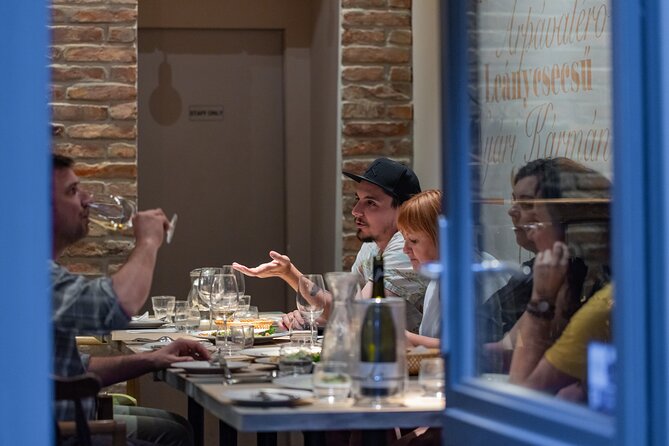
The best feature here is the mix. You are not parked at one restaurant for four hours, and you are not rushed through a string of unrelated samples. The evening works like a progressive dinner, with each stop offering a different part of Hungarian food culture.
You begin with wine and cold bites, move into bakery food and warm dishes, pause for a strong local spirit, and finish with coffee and pastry. Along the way, your guide connects the food to Budapest’s streets and buildings. That combination gives you more context than a simple restaurant crawl.
The tour is also well suited to an early evening arrival in Budapest. It starts at 5 p.m. and usually finishes around 9 p.m., so you can use it as dinner rather than trying to fit it around another major attraction.
The experience has earned a 4.9 rating from 55 ratings, with 96 percent recommending it. The praise is especially consistent around the guides, food quantity, and variety of stops. Guides named in the feedback include Angela, Barbara, Andrea, Elza, George, David, Lila, and Lelah. That list also tells you something useful: much of the evening depends on the individual guide’s personality and ability to balance food, stories, and walking.
More Palace Walking Tours in Hungary:
- Buda Castle Walking Tour: Fishermans Bastion – Royal Palace
★ 4.9 · 128 reviews - Palace District Evening Culinary, Wine, and History Walk
★ 4.8 · 16 reviews - Venice: Doge’s Palace and St Mark’s Basilica Walking Tour
★ 4.4 · 6,291 reviews
Starting with Hungarian wine at Bródy Sándor utca
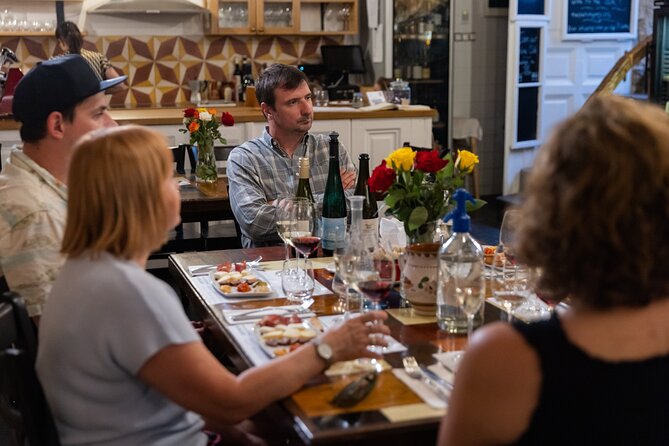
The meeting point is the Tasting Table Cellar by Taste Hungary at Bródy Sándor u. 9. This is a sensible place to begin because wine provides an easy introduction to Hungary’s food culture before you start walking.
A sommelier presents three wines and explains the country’s wine regions. You also receive a platter of local cheeses and charcuterie. This first stop is not just a quick drink before the real tour. It gives you a useful framework for understanding the wines you will have later with food.
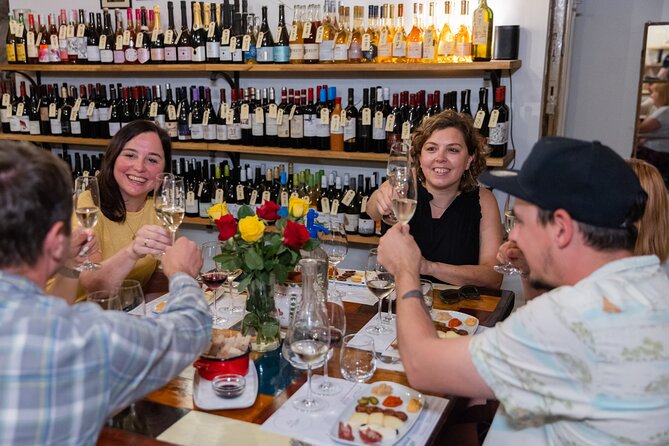
The opening tasting also helps the group settle in. A small party can talk with the guide and sommelier without the formal feeling of a large class. One useful detail from the food feedback is that some people particularly enjoyed the red wine, while others appreciated the wine map and regional introduction.
I would pay attention here even if you are not a serious wine drinker. Hungarian wine is less familiar to many visitors than French, Italian, or Spanish wine, and this tasting gives you a practical starting point. You do not need specialist knowledge. You only need to notice what you like, since more wine appears during the evening.
Walking through the Palace District
The Palace District, or Palota Negyed, lies in Budapest’s eighth district. Its large old residences reflect the wealth and ambition of nineteenth-century Hungary. Today, the area also has a youthful feel because several universities are nearby.
This contrast makes the walk worthwhile. You are looking at formal facades and historic buildings, but the neighborhood is not presented as a frozen museum zone. The guide explains how the district developed and points out the relationship between the buildings, the people who once lived there, and the area’s current life.
Expect frequent pauses for photographs and questions. The walk is not only a way to get from one restaurant to the next. The food stops give the route a purpose, while the buildings give the meal a sense of place.
The balance between eating and history may vary by guide. Several people praised guides for giving useful background without turning the evening into a lecture. One person felt there was slightly too much city history. That is a fair caution if you want nonstop eating. The guide is expected to explain Budapest and Hungarian culinary culture, so this is not a food-only tour.
The bakery stop and Budapest’s everyday food
One of the tastings takes place at a family bakery with roots reaching back to 1870. That detail matters because it shifts the focus away from grand restaurants and toward a long-running local food business.
The exact bakery item is not specified, so you should not book this expecting a particular pastry. The value is in the setting and the sense of continuity. A family business operating for generations offers a different window into food culture than a modern tasting room.
This is also one of the more accessible parts of the evening. Wine and strong spirits can feel formal or unfamiliar, while bakery food gives you a simple, direct taste of local habits. If you are interested in how people eat between meals, this stop may be as useful as the more famous dishes later.
More Wine Tours in Hungary:
- Medoc or Saint Emilion Wine Tasting and Chateau from Bordeaux
★ 5.0 · 1,415 reviews - St-Emilion & Médoc Wine Day Tour: Chateaus, Tastings and Lunch
★ 5.0 · 430 reviews - Beaune: Wine Tasting at Château de Pommard
★ 4.6 · 353 reviews - From Lisbon: Sintra, Pena Palace & Wine Tasting Small-Group Tour
★ 5.0 · 252 reviews
Goulash, appetizers, and a real dinner portion
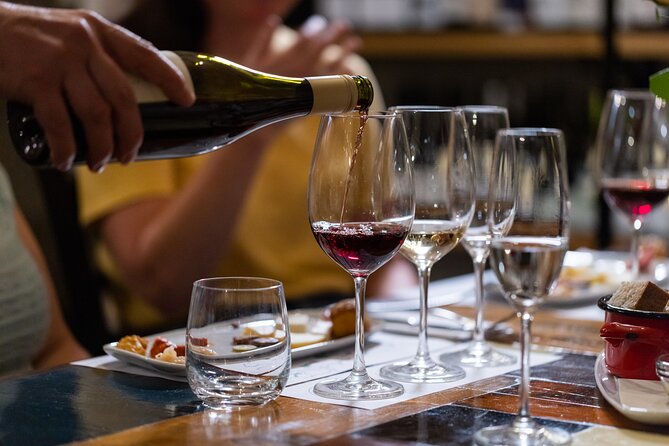
The central food stop is a neighborhood bistro, where you can expect gulyás and appetizers, followed by a more substantial savory course. The goulash soup received particular praise, and one account describes it as warming and especially memorable.
Do not confuse Hungarian gulyás with every thick stew labeled goulash abroad. The tour presents it as part of a wider Hungarian meal, not as a tourist prop. You may also have a choice of main course, with a menu described as offering a broad range of options.
The portions are important. Several people gave the same practical warning: do not eat before the tour. The evening begins with cheese and charcuterie, then adds bakery food, soup, a main dish, drinks, and dessert. This is intended to replace dinner, not to serve as a few token bites.
The meal is also paired with wine, which makes the evening feel more organized than a random crawl through bars. You are tasting how Hungarian dishes work with local drinks, while your guide explains the food and the places you visit.
Pálinka in a courtyard bar
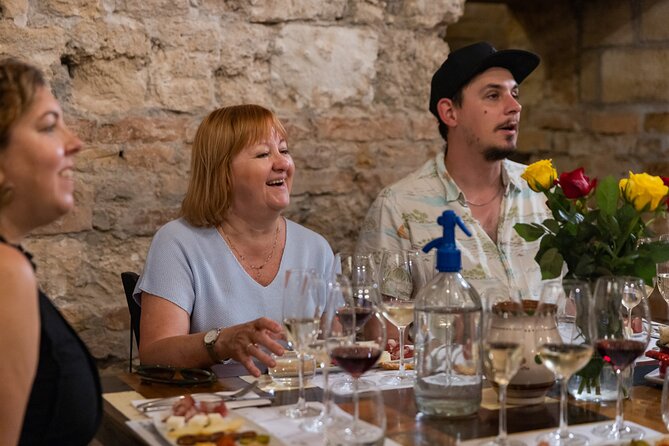
At another stop, you taste pálinka inside a courtyard bar. Pálinka is a traditional Hungarian fruit brandy, and it is usually served in small amounts because it is strong. The setting matters here as much as the drink. A courtyard bar gives you a look at Budapest’s informal nightlife and a different mood from the opening wine cellar.
The tour also connects this stop with the Jewish Quarter and the city’s ruin-bar culture. One guide explained the idea and history of ruin bars during this part of the walk. That makes the drink more than a quick shot. It becomes a way to understand one of Budapest’s most recognizable types of nightlife venue.
Still, pálinka is not for everyone. If you avoid spirits, have allergies, or follow strict dietary and religious rules, tell the operator before booking and confirm what can be changed. The company tries to accommodate restrictions, but options may be limited.
Ending at an old coffeehouse
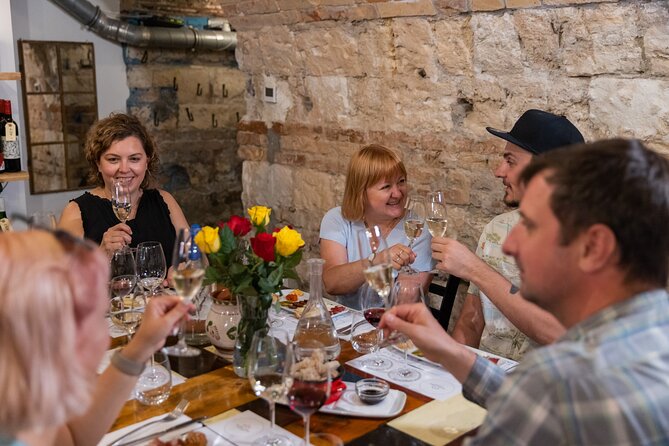
The final stop is dessert at a traditional coffeehouse. This is a smart finish after several savory courses and strong flavors. Coffee and pastry slow the pace and give you time to talk with your guide before the evening ends near Astoria.
The dessert stop received some of the warmest praise. Hungarian coffeehouses are closely tied to the city’s old café tradition, so this is not merely a final sugar hit. It gives the route a graceful ending in a setting with more atmosphere than a quick takeaway counter.
The exact pastry is not guaranteed in the information provided, but you can expect typical Hungarian desserts and coffeehouse fare. If you have a sweet tooth, this may be the stop you remember most clearly.
The guide makes the difference
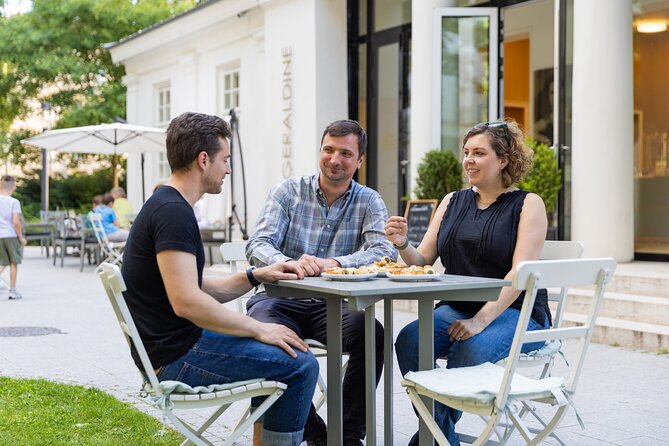
The strongest feature across the feedback is the guiding. Angela was praised for combining food, wine, and local history without losing the fun. Barbara was described as lively and well informed. Andrea received especially strong praise as a host and companion, while Elza was noted for her warmth and grasp of regional food and wine.
George appears to have been particularly memorable. He was described as funny, generous with restaurant advice, and patient with an older participant and someone with back trouble. That is useful evidence for anyone concerned about the pace or personal attention.
David was praised for explaining Hungarian goulash, stews, desserts, and local culture. Lelah and Lila were also described as personable guides who helped make the evening feel social rather than instructional.
Of course, you cannot select a guide from this information. But the pattern is clear: the operator puts real emphasis on guides who can explain food while keeping conversation moving. In a small group, that quality matters more than a polished script.
Walking, timing, and group size
The tour lasts about four hours, from 5 p.m. to 9 p.m. You walk between several venues in the Palace District and nearby central neighborhoods. The route includes stops for food, drinks, photos, and questions, so the pace is broken up rather than being one long history walk.
The usual small group has at least two and no more than eight people. Large groups can arrange private tours. The booking information also lists a maximum of 16 participants, so confirm the exact group arrangement if this matters to you.
The tour starts at Bródy Sándor u. 9 and ends at Astoria. Both are central locations with public transportation nearby. Ending at Astoria is convenient if you want to continue exploring central Pest or return to your accommodation by transit.
Most people can participate, and service animals are allowed. Still, this is a walking food tour, not a seated tasting. If you have serious mobility limits, back problems, or difficulty walking between venues, ask about the route before paying.
Is $145 a fair price?
At $145 per person, the cost is high for a casual evening meal in Budapest. The value depends on how much you want from the experience beyond the food itself.
You are paying for an English-speaking food specialist, a sommelier-led wine tasting, several generous tastings, drinks, a full dinner’s worth of food, dessert, neighborhood interpretation, and the convenience of having every stop arranged. You also avoid spending an evening choosing restaurants without knowing which ones fit your interests.
The price makes more sense if you are visiting Budapest for a short stay, want an organized introduction to Hungarian cuisine, or enjoy small-group tours. It makes less sense if you are comfortable finding local restaurants on your own and mainly want a low-cost dinner.
One practical benefit is that you can use the tour to collect restaurant ideas for later in your trip. Guides have offered advice about other eateries and venues, so keep a note on your phone for recommendations.
Who should book this evening?
I would recommend it to first-time visitors who want food, wine, and neighborhood context in one outing. It is also a good fit for people who enjoy tasting several dishes rather than ordering one large meal and staying put.
Food-focused couples, small groups of friends, and solo visitors who like meeting other people should find the format comfortable. The group size is small enough for conversation, and the progressive format prevents the night from feeling formal.
You may want another plan if you have strict dietary needs, dislike alcohol, want a very quiet meal, or prefer not to walk after eating. Vegetarian, allergy-friendly, and religious dietary choices may be limited across the different venues.
The experience is non-refundable and cannot be changed after booking, so check your schedule carefully. It can also be canceled if the minimum of two participants is not met, in which case an alternative or full refund is offered.
Should you book the Palace District food walk?
Book it if you want a full evening of Hungarian food and drink without planning every stop yourself. The combination of gulyás, wine, pálinka, bakery food, local cheese, charcuterie, and coffeehouse dessert gives you a broad first taste of Budapest.
I would especially choose it early in a Budapest visit. You will get restaurant ideas, learn the layout of the Palace District, and gain enough food context to order with more confidence later.
Skip it if $145 feels too high for dinner, if food restrictions are central to your plans, or if you want a single restaurant experience. For most food-loving visitors, though, the generous portions, central route, and strong guiding make this a useful and enjoyable introduction.
FAQ
How long does the Palace District evening food walk last?
The tour lasts approximately four hours, usually from 5 p.m. to 9 p.m.
What time does the tour start?
The standard start time is 5 p.m.
Where does the tour begin?
It begins at Tasting Table Cellar by Taste Hungary, at Bródy Sándor u. 9, 1088 Budapest.
Where does the tour finish?
The tour ends in the Astoria area of central Budapest.
Is dinner included?
Yes. The food tastings are described as generous enough to make up a full meal, so you do not need a separate dinner reservation.
What food and drinks are included?
The experience includes three wines, local cheese and charcuterie, bakery snacks, pálinka, gulyás, appetizers, a substantial savory course, and dessert with coffeehouse pastries.
Is the tour conducted in English?
Yes. It is offered in English and includes an English-speaking, food-specialized guide.
How many people are in the group?
The usual small-group format has a minimum of two and a maximum of eight people. Larger groups can arrange private tours, and the booking information lists a maximum capacity of 16.
Can dietary restrictions be accommodated?
The operator tries to accommodate dietary requirements, but vegetarian, allergy-related, and religious dietary choices may be limited because of local food customs.
Is the tour refundable if I cancel?
No. The experience is non-refundable and cannot be changed after booking. If the operator cancels because the minimum number of participants is not met, you are offered another option or a full refund.
More Evening Trips in Hungary
- Venice: Lords of the Night Prison’s Palace Cells & Tortures
★ 4.0 · 1,067 reviews - Exclusive Evening at Schönbrunn Palace: After-Hours Audiotour, Dinner, Concert
★ 4.0 · 930 reviews - Vienna: Schönbrunn Palace Evening Tour, Dinner and Concert
★ 4.4 · 889 reviews - Seoul: Palace, Temple and Market Guided Foodie Tour at Night
★ 4.9 · 750 reviews
More Heritage Trips in Hungary
- Madrid Essential: Historic Center, Plaza Mayor & Royal Palace
★ 5.0 · 6,416 reviews - Venice’s Best: Basilica, Doge’s Palace, Gondola & History Gallery
★ 4.5 · 2,478 reviews - Tokyo: Imperial Palace and Shogun Historical Walking Tour
★ 5.0 · 2,251 reviews - Dubai: Abu Dhabi Grand Mosque, Palace, and Heritage Village
★ 4.8 · 1,265 reviews
Just added around Hungary
- Budapest Gödöllő Palace Royal ‘Sisi’ Residence Half-Day Tour★ 4.5 · 106 reviews
- Sisi’s Royal Palace Tour with Hotel pickup & Cake in Palace Café★ 5.0 · 5 reviews
- Gödöllő – Half-Day Private Tour to the Royal Palace★ 5.0 · 5 reviews
- Legacy of Sissi Royal Palace of Godollo Tour with Cake and Coffee★ 4.5 · 7 reviews
- Sisi’s Godollo Palace Tour from Budapest★ 4.0 · 56 reviews
- From Budapest: Royal Palace of Gödöllő Private Tour★ 5.0 · 21 reviews
- Palace District Evening Culinary, Wine, and History Walk★ 4.8 · 16 reviews
- Budapest: Private 3-Hour Gödöllő Palace Tour★ 4.9 · 3 reviews
Palace Walking Tours, compared.
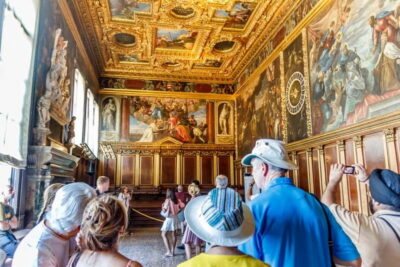
Doge’s Palace and St Mark’s Basilica Walking Tour
Read our review →
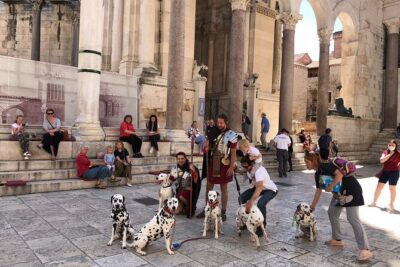
Walking Tour of Split and Diocletian’s Palace
Read our review →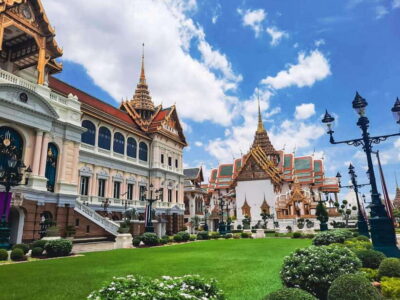
Grand Palace and Wat Phra Kaew Guided Walking Tour
Read our review →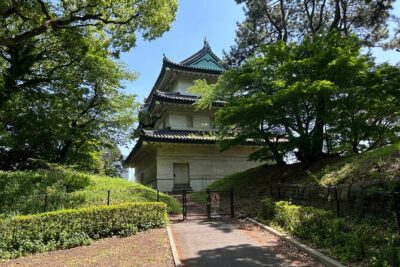
Imperial Palace and Shogun Historical Walking Tour
Read our review →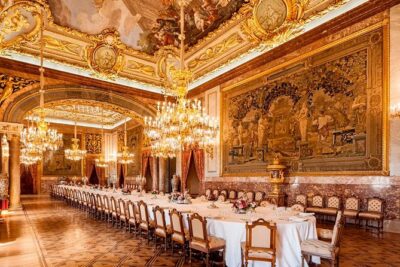
Madrid Old Town & Royal Palace Walking Tour Skip the Line Ticket
Read our review →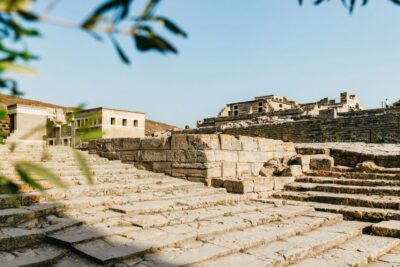
Knossos: Knossos Palace Skip-the-Line Guided Walking Tour
Read our review →
Browse the lists this tour appears in