
REVIEW · BEIRUT
Private Trip to Beiteddine Palace, Deir elQamar and Mousa Castle
Lebanon’s mountain past is close to the capital. This private eight-hour outing takes you from Beirut into the Chouf for Beiteddine Palace, curious Moussa Castle, and the old town of Deir el Qamar. I like the mix of grand architecture and lived-in village history, and I like that private transport lets you make the day at your own pace within a fixed route.
The guide can add real value here. Albert received praise for explaining Lebanese history at Beiteddine, while Ziad was remembered for his culture and knowledge of the country. The main drawback is that palace admission and lunch cost extra, and mountain weather can affect nearby sights. One tour stopped at an alternative site when the Chouf Cedars were closed by snow.
Key Points to Know Before You Go
- Beiteddine Palace leads the day: Allow about 90 minutes to see the palace complex and museum areas open to the public.
- Moussa Castle is personal rather than ancient: Its story centers on Moussa Al Maamari, who began dreaming of his own castle at age 14.
- Deir el Qamar packs several faiths into one town: You can see a mosque, Christian churches, and the history of a community shaped by different religious groups.
- The tour is private: Only your party participates, with hotel pickup, drop-off, an air-conditioned vehicle, and a professional guide.
- The $75 price needs a closer look: It includes transport and guiding, but not admission tickets or lunch.
- The route is weather-sensitive: Snow or other conditions may change what can be visited in the Chouf.
From Beirut to the Chouf Mountains
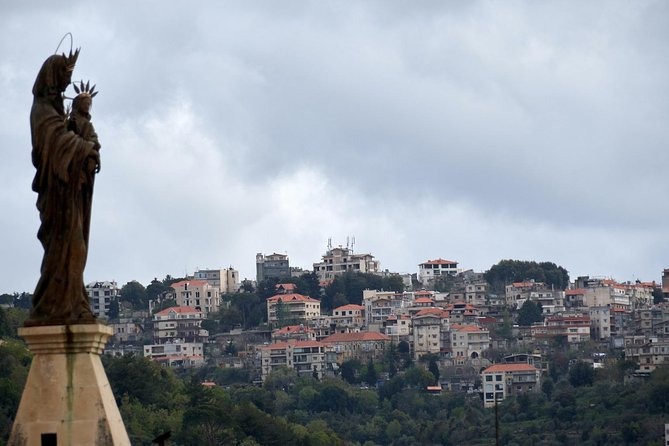
The day begins at 9:00 a.m., with pickup offered from your hotel. From there, you leave Beirut for the Chouf countryside in a private, air-conditioned vehicle.
That private setup matters. You are not joining a large bus group, so the guide can focus on your questions and adjust the pace to your interests. You also avoid the basic hassle of arranging transport between three separate sights. For a full day in the mountains, that convenience is a meaningful part of the price.
The drive itself is part of the appeal. The route climbs through the Mount Lebanon area, where the city gives way to mountain roads and historic towns. The tour description calls attention to scenic mountain views, but exact stopping points and road conditions can vary. If you want a particular photo stop, ask the guide early in the day.
The schedule gives roughly 90 minutes to Beiteddine Palace, one hour at Moussa Castle, and about one hour at Deir el Qamar when the mosque and church visits are added. Those times are enough for a useful introduction, but not for a slow, scholarly examination of every room and monument.
More Private Palace Tours in Beirut:
- Guided Private Full Day Tour to Baalbek, Anjar and Chateau Ksara
★ 5.0 · 60 reviews - Guided Full-Day Private Trip to Cedars, Baalbek and Chateau Ksara
★ 5.0 · 10 reviews - Half-Day Private Tour to Baalbek & Chateau Ksara
★ 5.0 · 8 reviews
Beiteddine Palace: Courtyards, Mosaics, and Power
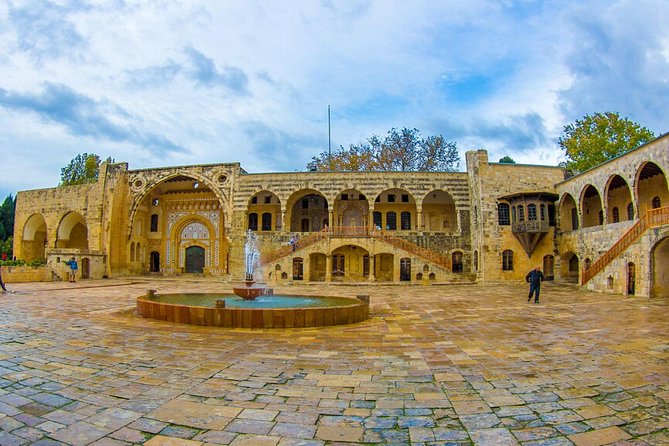
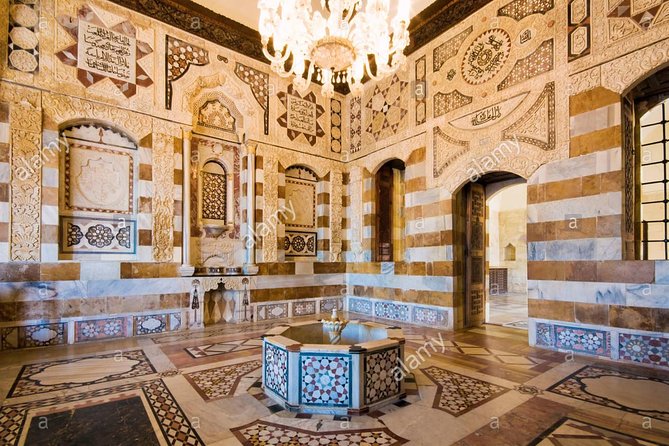
Beiteddine Palace is the day’s main historical stop. Its name means House of Faith, and Emir Bashir Chehab II built it between 1788 and 1818. He later ruled the Mount Lebanon Emirate, giving the palace a direct link to the region’s political past.
The palace is not simply an old residence preserved in isolation. After 1840, the Ottomans used it as a government building. During the French Mandate, it served as a local administrative office. In 1943, it became the official summer residence of the Lebanese president. Parts remain a presidential summer residence today, while other sections are open to the public.
That layered use is what makes the visit worthwhile. You are looking at a building that changed roles as Lebanon passed through different political periods. A guide can help connect the architecture to those changes, rather than leaving you to see only decorative rooms and stone walls.
The palace also hosts the Beiteddine Festival and houses the Beiteddine Palace Museum. Mosaics are a particular highlight. One positive account singled out the mosaics as beautiful, so give yourself time to look closely instead of rushing through with your camera raised.
The palace was heavily damaged during the Lebanese Civil War. That fact adds another layer to the visit, since the site reflects both long-term political history and more recent national trauma. The publicly accessible portions may not represent the entire complex, so you should expect a partial visit rather than unrestricted access to every room.
Admission is not included. Since the price is listed at $75 per person, remember to add the palace ticket to your day budget. The exact ticket price is not provided here, so confirm it before departure.
Moussa Castle and One Man’s Long Project
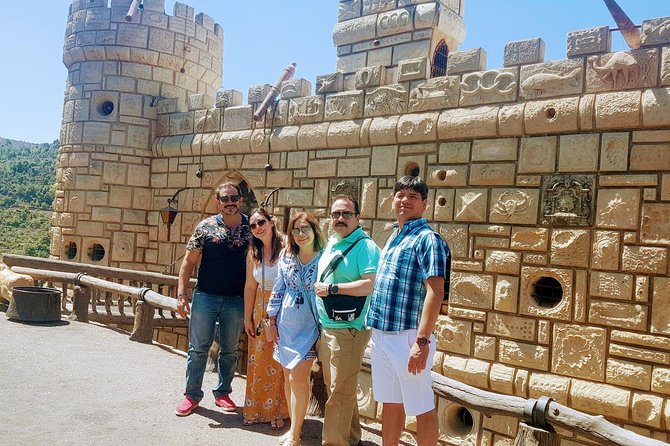
Moussa Castle offers a sharp change of mood. Beiteddine is an old seat of power built by an emir. Moussa Castle tells the much more personal story of one man building the place he had imagined.
The castle sits on a hill between Deir el Qamar and Beiteddine. Its builder, Moussa Al Maamari, was born on July 27, 1931. His idea began when he was 14 and wanted to impress a local girl he loved.
That origin story gives the stop its character. You are not visiting a medieval fortress or an ancient royal residence. You are seeing the result of a personal dream pursued over many years. The beliefs and ideas of the builder are engraved on the stones, so the castle is closely tied to his own story.
Allow about an hour here. That is enough time to understand the site and take in its unusual character without allowing it to swallow the rest of the day. Admission is not included, so plan for another separate ticket.
I would treat Moussa Castle as a complementary stop rather than the main reason to book the tour. Some people will find its homemade, individual quality fascinating. Others may prefer the older history and formal architecture of Beiteddine. The private format helps because you can ask your guide to explain how the castle fits into the wider Chouf story.
Deir el Qamar, the Monastery of the Moon
Deir el Qamar means Monastery of the Moon. The town lies about five kilometers from Beiteddine Palace and was once the capital of the Emirate of Mount Lebanon.
Its history is unusually broad for a small town. Deir el Qamar was the first village in Lebanon to have a municipality, established in 1864. It also became the birthplace of artists, writers, and politicians. For you, the interest is not just in individual monuments, but in how the town functioned as a shared community.
People from different religious backgrounds lived here. The town had a mosque, a synagogue, and Christian churches. That combination gives the visit a useful window into Lebanon’s religious and civic history, especially if your time in Beirut has focused more on modern city life.
The town was destroyed and burned during the 1860 civil war between Druze and Christians. Napoleon III sent a French contingent to help rebuild it. That rebuilding history helps explain why Deir el Qamar can feel like a place shaped by both local conflict and outside intervention.
You receive about 30 minutes for the town itself, with separate short visits to Fakhreddine’s Mosque and Saydet El Talle Church. That is a quick look, not a full walking tour. Stay aware of the clock, especially if you want time for photographs or a quiet look at the streets.
A few more palace visits around Beirut worth a look
- Deir el Qamar – Beiteddine Palace – Chouf Cedars From Beirut
★ 5.0 · 7 reviews - Deir Al-Qamar, Beiteddine Palace and Barouk Cedars Tour
★ 4.5 · 6 reviews - Palace of Dreams – Oyoun El Samak – Zahlan Grotto – Jabal El Arbaaine
★ 4.5 · 5 reviews - DeirElkamar, Beitdeen, Moussa Palace, EinwZien Grotto,Full-Day Trip PRIVATE-CAR
★ 5.0 · 5 reviews
Fakhreddine’s Mosque and the Old Religious Mix
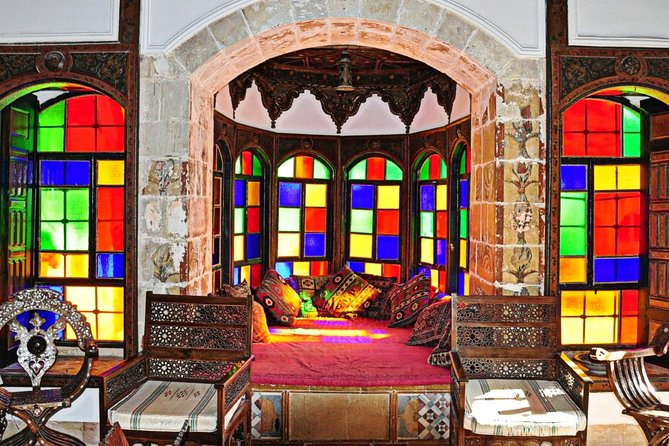
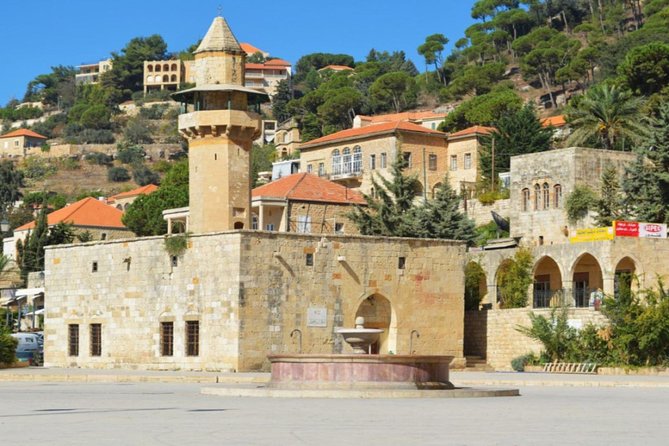
Fakhreddine’s Mosque has an octagonal minaret and dates to 1493. It was restored in the 16th century by Fakhreddine I and is described as the oldest mosque in Mount Lebanon.
The stop lasts about 15 minutes and admission is free. That is enough for a brief look at the exterior and a short explanation from your guide. Its value comes from its place within Deir el Qamar, where the mosque is part of a wider religious story rather than a stand-alone sight.
Do not expect a long museum visit here. The tour gives you a compact introduction, so listen for the details about the mosque’s age, minaret, and restoration. If religious sites are a major reason you are visiting Lebanon, tell the guide at the start so you can make the most of this brief stop.
Saydet El Talle Church and the Hilltop Legend
Saydet El Talle Church, or Our Lady of the Hill, is one of Deir el Qamar’s major religious and historic sites. The church dates to the 15th century and was built over the ruins of an older Phoenician temple dedicated to Astarte.
According to the tradition connected with the site, a church was built by Monk Nicolas Smisaati. The earlier structure was destroyed by an earthquake in 859. Another local legend tells of a Druze emir in Baakline who saw a light coming from the hill and ordered his soldiers to excavate it. He instructed them to build a mosque if they found an Islamic symbol, a church if they found a Christian symbol, and something else if they found neither.
The supplied account cuts off before the legend’s final detail, so your guide may provide more context on the local version. Treat the story as tradition rather than a proven historical record. That distinction matters, and a good guide should help you separate documented dates from oral memory.
The visit lasts about 15 minutes and is free. Like the mosque, it is short but meaningful. Together, the two stops show why Deir el Qamar is more than a pretty mountain village. Its monuments reflect the area’s shifting communities and the way religious identity has shaped the town.
What the Guide Adds to the Day
The guide is central to the quality of this experience. Without explanation, Beiteddine can become a sequence of rooms, Moussa Castle can seem merely eccentric, and Deir el Qamar can pass too quickly.
Albert was praised for explaining the history of Lebanon and for guiding at Beiteddine. He also handled an unexpected weather change by stopping at another place when the Chouf Cedars were closed by snow. That is a useful sign for anyone visiting in winter: flexibility may matter more than a rigid checklist.
Ziad was remembered as a smart guide with strong knowledge of Lebanese history and culture, as well as a capable driver. Since guides can vary by date, you should not assume either person will lead your tour. Still, their names give you a practical request to make when booking: ask if Albert or Ziad is available.
Because this is a private activity, you can ask for more detail at the sites that interest you most. You can also tell the guide if you prefer architecture, political history, religious history, or local stories. The listed schedule is fairly tight, so speaking up early is better than trying to change the plan near the end.
Is $75 a Fair Price?
At $75 per person, the value depends on your group size and what you would otherwise pay for transport. The fee includes hotel pickup and drop-off, private transportation, an air-conditioned vehicle, and a professional guide. It also gives you a full day outside Beirut without needing to arrange several separate rides.
For a solo participant, the cost may feel less attractive because tickets and lunch are extra. For two or more people, private transport and guiding make the price easier to justify, particularly if pickup is convenient and the vehicle avoids the need for local connections.
Budget separately for:
- Beiteddine Palace admission
- Moussa Castle admission
- Lunch
- Any other personal spending during the day
The tour does not include lunch, and no restaurant or meal stop is specified. You should ask the provider how the day handles lunch, especially if you need a set meal time. Do not assume that a meal is part of the price.
Timing, Weather, and Practical Advice
The advertised duration is about eight hours, beginning at 9:00 a.m. That gives you a useful full-day outing, but the actual pace can depend on road conditions, time spent at the palace, and weather in the mountains.
The Chouf is not the place to rely on a rigid plan in every season. Snow already caused one change involving the Chouf Cedars, so check conditions before departure if you are visiting in colder months. The listed tour does not include the cedars as one of its four main stops, but weather can still affect driving and optional stops.
Wear shoes suitable for walking around historic sites. The provided information does not specify accessibility details, so ask the provider directly if anyone in your group has mobility needs. Most people can participate, but that general statement does not explain the condition of every path, stairway, or surface.
Hotel pickup is offered, and confirmation is provided at booking. The activity is private, so only your group participates. Free cancellation is available if you cancel at least 24 hours before the start time. Cancellations or changes made less than 24 hours ahead are not accepted for a refund.
Who Should Book This Mountain Excursion?
I would recommend this tour if you want a broad introduction to the Chouf without renting a car or piecing together transport. It works especially well for you if palaces, religious buildings, local history, and unusual personal stories all sound appealing.
It is also a good choice for a small group that values a private guide. Albert and Ziad have both been praised for their history and cultural knowledge, and the private format gives you a better chance to ask questions than a large group outing.
You may want another plan if you dislike extra ticket costs, want a long lunch, or prefer to spend a whole day at one major site. The stops at the mosque and church are brief, and Deir el Qamar receives only a compact introduction. This is a wide-ranging day, not a slow study tour.
Should You Book It?
Book it if you want to connect several important Chouf sights in one organized day. Beiteddine Palace provides the strongest historical anchor, while Moussa Castle adds a strange and personal story, and Deir el Qamar brings together Lebanon’s political and religious past.
Before booking, confirm the admission costs, ask who will guide the day, and check mountain weather. If you are happy to pay separately for lunch and tickets, the $75 price offers solid value for private transport, a guide, and a full day beyond Beirut.
FAQ
Where does the tour begin?
The tour begins with pickup in Beirut, and the stated start time is 9:00 a.m.
How long does the tour last?
The experience lasts approximately eight hours.
Is the tour private?
Yes. Only your group participates in the activity.
Is hotel pickup included?
Yes. Hotel pickup and drop-off are included.
Is transportation air-conditioned?
Yes. Transportation is provided in a comfortable, air-conditioned vehicle.
Is a professional guide included?
Yes. A professional guide is included.
Is lunch included?
No. Lunch is not included in the tour price.
Are admission tickets included?
No. Admission tickets for Beiteddine Palace and Moussa Castle are not included. The listed visits to Deir el Qamar, Fakhreddine’s Mosque, and Saydet El Talle Church are marked as free.
How much time is spent at Beiteddine Palace?
The planned visit to Beiteddine Palace lasts about one hour and 30 minutes.
Can the tour be canceled for a full refund?
Yes, if you cancel at least 24 hours before the experience start time. Cancellations or changes made less than 24 hours before the start time are not accepted for a refund.
Just added around Beirut
- Exclusive Excursion: Discover Baalbek, Anjar, and Chateau Ksara★ 5.0 · 6 reviews
- Palace of Dreams – Oyoun El Samak – Zahlan Grotto – Jabal El Arbaaine★ 4.5 · 5 reviews
- Full-Day Private Tour to Beiteddine, Deir El Qamar, Mousa Palace★ 5.0 · 2 reviews
- Half-Day Private Tour to Baalbek & Chateau Ksara★ 5.0 · 8 reviews
- Deir Al-Qamar, Beiteddine Palace and Barouk Cedars Tour★ 4.5 · 6 reviews
- DeirElkamar, Beitdeen, Moussa Palace, EinwZien Grotto,Full-Day Trip PRIVATE-CAR★ 5.0 · 5 reviews
- Beirut to Beiteddine: Private Journey Through Palaces & Villages★ 4.5 · 2 reviews
- Deir el Qamar – Beiteddine Palace – Chouf Cedars From Beirut★ 5.0 · 7 reviews
Private Palace Tours, compared.
Alhambra Private/Small Group Tour & Nasrid Palaces Skip the Line
Read our review →
Grand Palace, Wat Pho, and Wat Arun Private Tour
Read our review →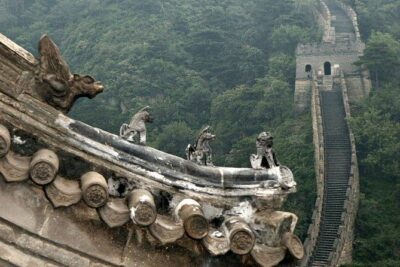
Mutianyu Great Wall&Summer Palace Excursion:Group/Private Options
Read our review →
Private Tour of Sintra, Cabo da Roca and Cascais with 2 Palaces
Read our review →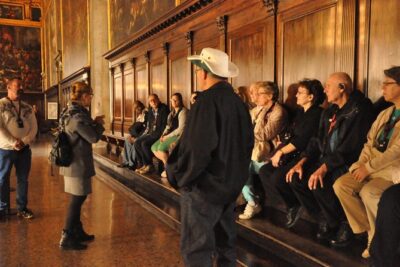
Private 4hrs Venice Tour: Doge’s Palace, Grand Canal & St Mark’s
Read our review →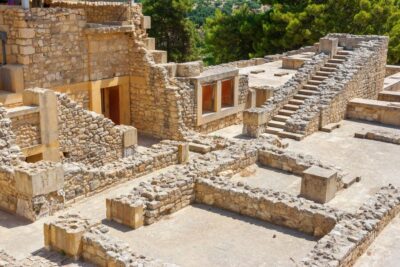
Knossos Palace Skip-the-Line Ticket & Private Guided Tour
Read our review →
Private Tour Sintra from Lisbon Palaces of Pena and Regaleira
Read our review →Browse the lists this tour appears in