
REVIEW · ITALY
Palazzi dei Roll and Palazzo Reale Guided Tour
Genoa keeps its grandest rooms behind modest doors. This three-hour private tour takes you along Le Strade Nuove, through the UNESCO-listed Palazzi dei Rolli system, and into Palazzo Reale, where noble and royal families filled vast rooms with paintings, furniture, stucco, and ceiling frescoes. I especially like the combination of street-level discovery and a proper palace visit, plus the chance to see aristocratic homes that once hosted state guests. The main drawback is the price: at $186.92 per person, this is a serious splurge for three hours.
I also like that the tour is private, with English, Italian, French, and Spanish available. That gives you room to ask questions and set a comfortable pace. The strongest praise goes to the guides, particularly Paola, who was described as patient, attentive, and calm with a family traveling with a child. Bring good walking shoes, since the tour moves through Genoa’s historic center and its carrugi, the city’s narrow lanes.
Key points at a glance
- A private walk through Genoa’s Golden Century: See the grand streets and palaces created when Genoa was a major financial and maritime power.
- The Rolli system was more than a row of mansions: These residences formed a state-run network of hospitality houses for official visits.
- Palazzo Reale delivers the indoor spectacle: Expect reception halls, loggias, galleries, frescoed ceilings, furniture, sculpture, and more than 100 paintings.
- The art has serious names attached: Works include paintings by Van Dyck, Tintoretto, Guercino, Luca Giordano, Ferdinand Voet, and Bassano.
- Private guiding is the real advantage: You can ask for context, slow down for details, and keep the visit personal.
- Three hours is a useful length: Long enough to connect Genoa’s streets with its palace interiors, but not so long that the art begins to blur together.
Why Genoa’s Palazzi dei Rolli matter
Genoa’s Palazzi dei Rolli are not simply beautiful old residences. They were part of a practical political system created in 1576, when the Senate of the Republic of Genoa ordered leading aristocratic families to provide their homes for visiting dignitaries.
The city kept official lists, or rolli, of these residences. Palaces were assigned according to their size and quality, then selected when the republic needed to house state visitors. That arrangement tells you something important about Genoa. Wealth here was not only private. It was tied to public power, diplomacy, and the city’s place in European trade.
The palaces rose along Le Strade Nuove, a planned series of streets in the historic center. Many were built during Genoa’s Golden Century in the late 16th and early 17th centuries, when banking, shipping, and commerce brought great fortunes to the city.
I find this context useful because it changes the way you look at the buildings. You are not just admiring oversized doors and painted ceilings. You are seeing a civic network designed to display Genoa’s wealth to important visitors. Every courtyard, staircase, loggia, and reception room had a role in that performance.
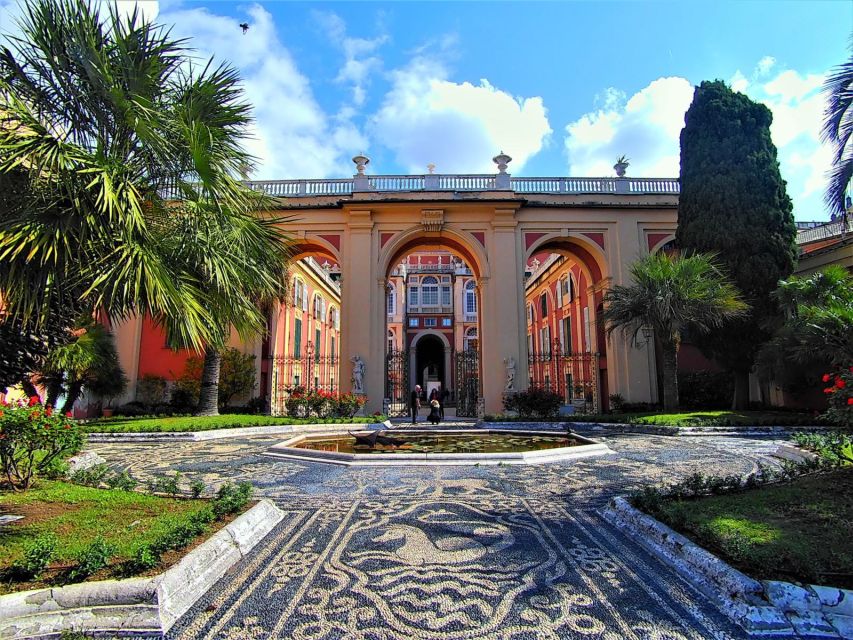
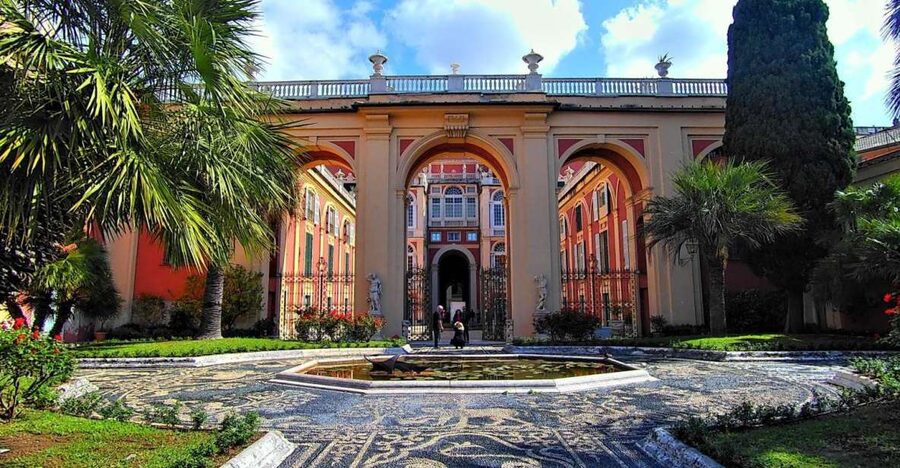
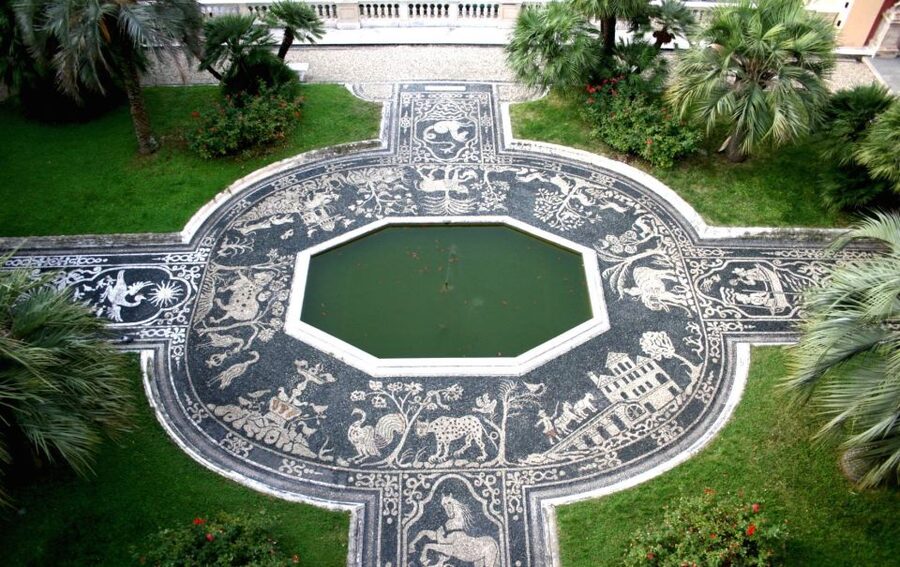
The buildings sit at different levels, and their layouts make good use of Genoa’s sloping urban setting. Open staircases, courtyards, and loggias can reveal gardens and interior spaces that are easy to miss if you only walk past the street entrances.
A few more palace visits around Italy worth a look
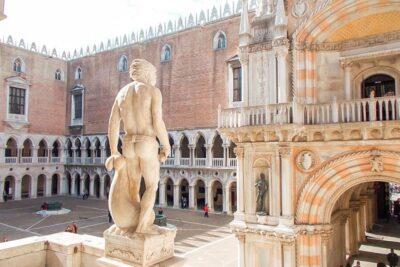
- Venice: Doge’s Palace Reserved Entry Ticket
★ 4.6 · 42,716 reviews - Doge’s Palace & St. Mark’s Basilica with Terrace Access Tour
★ 4.7 · 10,697 reviews - Venice: Doge’s Palace and St Mark’s Basilica Walking Tour
★ 4.4 · 6,291 reviews
Walking Le Strade Nuove and the Genoese carrugi
The tour begins at the entrance to the Royal Palace on Via Balbi in Genoa. From there, the walking portion introduces you to the city’s historic center and the network of noble residences.
This is where a private guide can add real value. The facades are impressive, but the history is not always obvious from the pavement. A guide can point out how the palaces fit into the Rolli system and explain why certain streets became such a concentrated display of aristocratic power.
You will also move through Genoa’s carrugi, the narrow lanes that give the old center much of its character. These passages can feel far removed from the formal palaces, but that contrast is part of the appeal. The grand residences were built into a dense medieval city, not placed in a separate museum district.
One particularly useful part of the experience is the attention to details that you could easily walk past on your own. The guide can connect the lanes, palace entrances, stairways, courtyards, and upper-level loggias into one story. One family review praised Paola for pointing out less obvious sights along the way and for keeping the pace calm and accommodating.
Do not expect a long-distance sightseeing walk. The tour stays in the historic center, with the emphasis on architecture and context rather than covering a large section of Genoa. Comfortable shoes are essential, especially if narrow streets, stairs, and uneven historic paving are uncomfortable for you.
Entering Palazzo Reale on Via Balbi
Palazzo Reale is the indoor centerpiece of the experience. The palace was built in the 17th century by the Balbi family, following designs by Pier Francesco Cantone. It later belonged to noble and royal families, which helps explain the mix of aristocratic grandeur and courtly decoration inside.
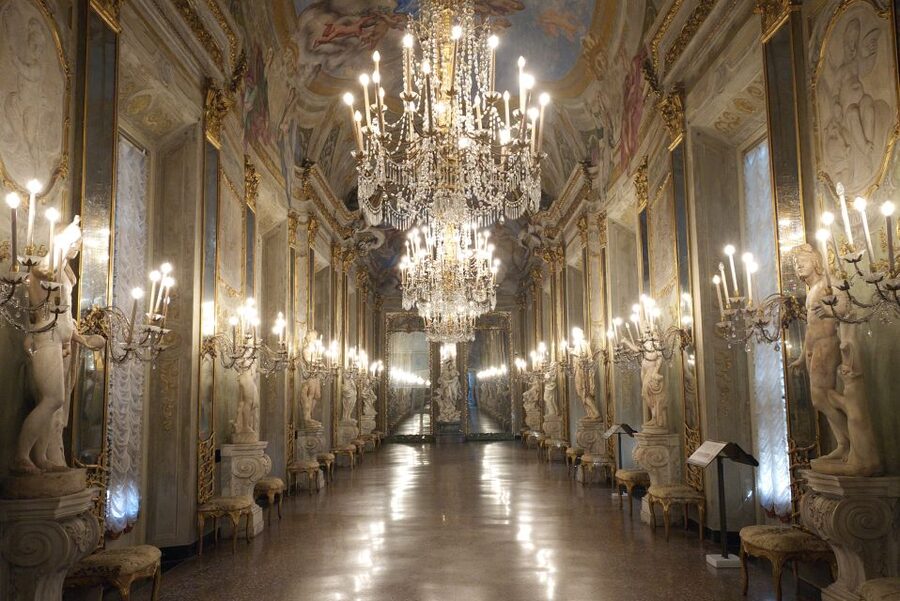
This is one of Genoa’s largest architectural complexes. The reception rooms are decorated with frescoes, stucco, paintings, sculptures, furniture, and fittings. The visit is not limited to empty rooms and architectural shells. The objects remain essential to the palace experience.
Look upward as much as forward. Important Baroque and Rococo artists decorated the vaulted ceilings of the living rooms and galleries. These painted surfaces were designed to impress from the moment a guest entered, and they give the palace a theatrical quality.
The size of the rooms can also be surprising. Reception spaces were built for ceremony, display, and formal gatherings, not for quiet domestic life. A guide helps explain how the rooms worked and why decoration was so important to the families who owned them.
The palace collection includes more than 100 paintings. The names attached to the works are a major reason to take the guided visit seriously. You may see works by Anton Van Dyck, Tintoretto, Guercino, Luca Giordano, Ferdinand Voet, and Bassano, along with paintings by major 17th-century Genoese artists.
That list gives the visit more weight than a quick look at ornate interiors. You are seeing both the home of powerful families and a substantial art collection. If you care about painting, decorative art, or court culture, the palace portion is likely to be the strongest part of your three hours.
What the guide adds to the palace visit
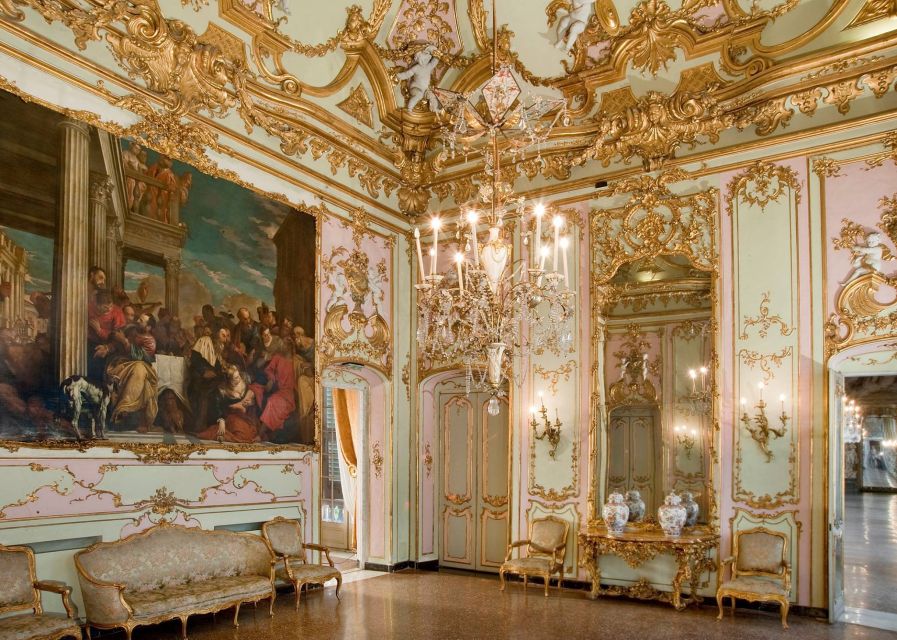
A palace can be difficult to understand without a guide. You see the decoration, but it is not always clear who commissioned it, how the rooms were used, or how the works connect to Genoa’s period of great wealth.
The guide’s role here is not just to identify artists. It is to help you read the building as a working residence. Frescoed ceilings, paintings, sculptures, furniture, and fittings were arranged to create a particular impression for family members and official guests.
The private format should make this easier. You are not tied to a large group’s questions or pace. If one painting interests you, you can ask for more explanation. If the decorative details begin to feel overwhelming, your guide can help separate the major works from the background decoration.
The available languages are English, Italian, French, and Spanish. That is helpful for an international audience, though you should confirm the language and starting time when booking.
The praise for Paola is worth noting. A family described her as professional, patient with a child, and very available to their needs. The same family appreciated that she guided them through the carrugi and palace with calm rather than rushing them through a checklist. Another assessment praised the guide’s strong command of Genoa’s history and city layout.
Those comments point to the tour’s best feature: personal attention. At this price, you should expect more than a guide reciting facts. You are paying for interpretation, questions, and a pace shaped around your group.
Same place, a different set of state rooms:
- Legendary Venice: Doge’s Palace, St Mark’s & VIP Terrace Access
★ 4.5 · 5,033 reviews - Florence: Palazzo Vecchio Entrance Ticket & Audioguide
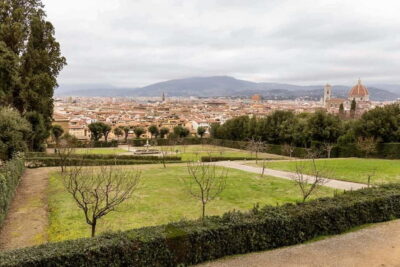
★ 4.4 · 4,822 reviews - Florence: Entrance Ticket to Pitti Palace
★ 4.5 · 4,528 reviews - Venice: Doge’s Palace and St. Mark’s Basilica Tour
★ 4.5 · 3,734 reviews
Is $186.92 per person good value?
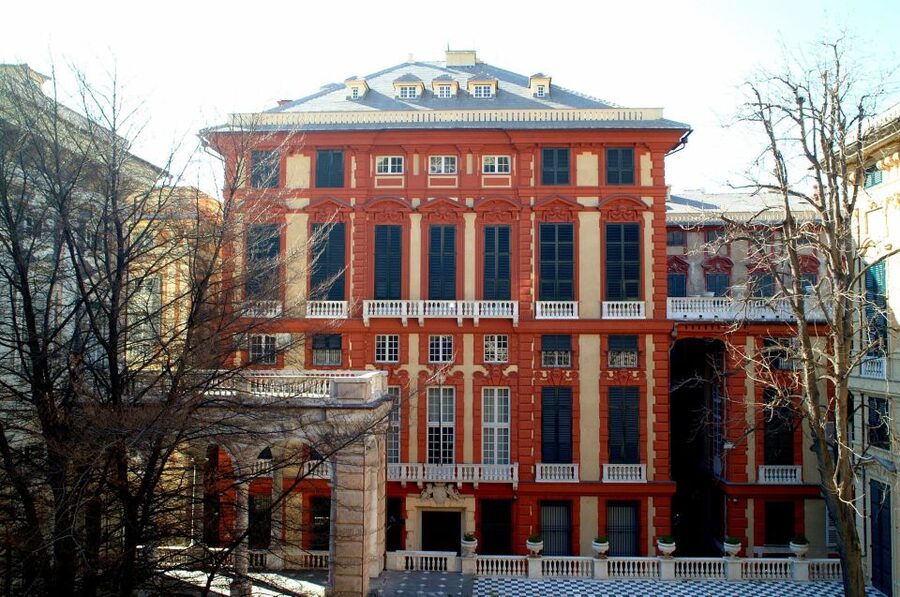
At $186.92 per person, this is not a casual add-on. The fee includes a private guided walking tour of the Palazzi dei Rolli, a guided visit to Palazzo Reale, and the palace entrance ticket.
The value depends on how you like to see historic cities. If you are satisfied with exterior views and a short self-guided museum visit, the cost will feel high. You could spend less by exploring parts of Genoa independently, though you would lose the private guide and the organized connection between the streets and palace interiors.
For a family, small group, or traveler who wants focused interpretation, the price makes more sense. You are paying for three hours devoted to one subject, with no need to manage a large group or work out the historical links yourself.
The art collection also helps support the cost. This is not only a walk past facades. The itinerary includes a major royal residence with a substantial collection, decorated reception rooms, and works by important Italian and European artists.
Still, keep expectations realistic. The experience is three hours, not a full-day survey of every Rolli palace in Genoa. The description promises a guided look at the Palazzi dei Rolli system and a visit to Palazzo Reale, but it does not say that you will enter every palace in the UNESCO site. If your goal is to see a broad number of interiors, check exactly which buildings are included before paying.
Who will enjoy this experience most?
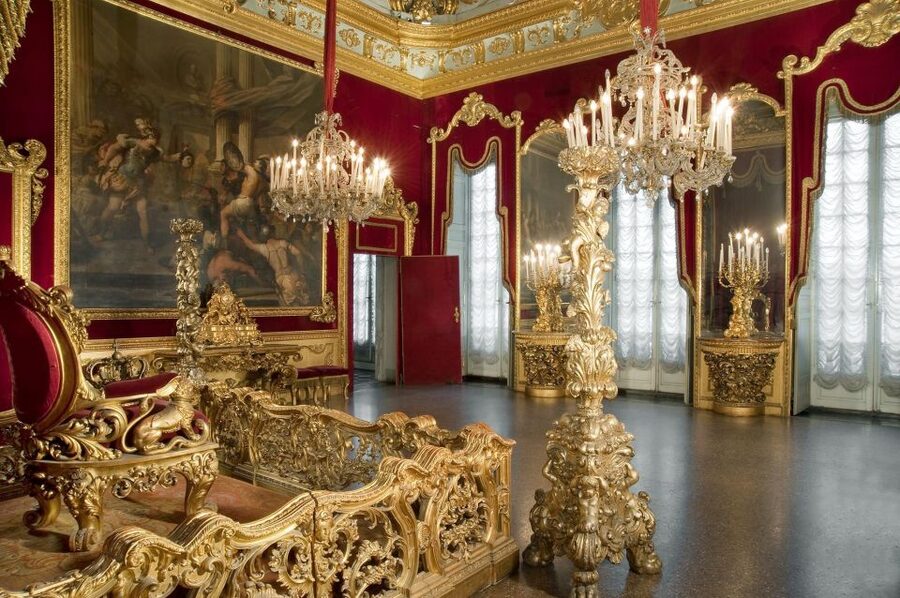
I would recommend this tour to you if architecture, art, social history, and city stories matter more than ticking off a long list of sights. It works especially well for first-time visitors who want a clear introduction to Genoa’s old center.
Families may appreciate the private format. Paola’s patient approach with a child suggests that the pace can be handled thoughtfully, though the tour still involves walking through historic streets and should not be treated as a seated museum visit.
Art lovers have strong reasons to book. Palazzo Reale offers works by major artists, extensive decoration, and royal furnishings in a setting where the collection and architecture belong together.
You may want to skip it if you dislike formal residences, decorative interiors, or guided history. The experience is built around noble houses, public ceremony, art, and political power. It is not a food tour, harbor excursion, or broad overview of modern Genoa.
You should also consider the price carefully if you are traveling alone. A private tour can feel more affordable when shared by several people, but the listed rate is per person. The private group format is a benefit, but it does not make the cost small.
Practical details before you go
The meeting point is the entrance of the Royal Palace on Via Balbi in Genoa. The activity ends back at the same meeting point, which makes planning around the historic center simple.
The tour lasts three hours. Starting times vary, so check availability before you build the rest of your day around it. A morning or afternoon visit could work well, but the key point is to leave enough room before and after for the walking pace and the palace visit.
Wear comfortable shoes. That advice matters here because you will walk through Genoa’s narrow historic lanes and move through a large palace complex. The route is not presented as strenuous, but historic centers often involve uneven surfaces and changes in level.
Food and drinks are not included. Plan to eat before or after the tour rather than expecting a stop during the three-hour visit.
The experience includes skip-the-line entry for Palazzo Reale. That can save time, especially when you have limited hours in Genoa, although the tour still depends on the palace’s available entry arrangements.
Cancellation is free up to 24 hours before the scheduled activity for a full refund. You can also reserve now and pay later, which is useful if your Genoa plans are still shifting.
My verdict on the Rolli palaces and Palazzo Reale
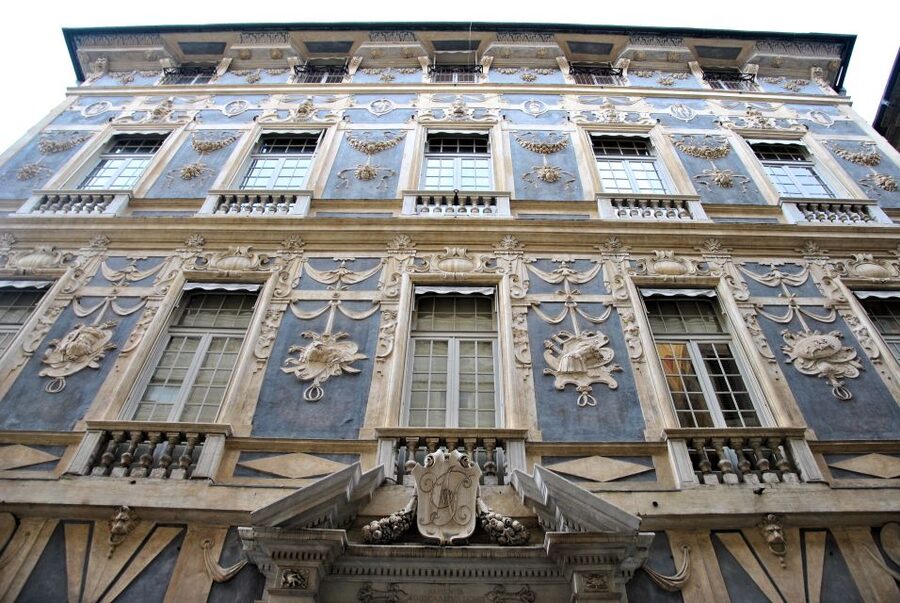
I would book this tour if you want Genoa’s grand architecture explained by a private guide rather than left as a series of impressive but disconnected buildings. The pairing is smart: first you learn how the Rolli residences fit into the city, then you see the decoration and collections inside Palazzo Reale.
The strongest reasons to choose it are the private format, the excellent art collection, and the chance to move from the narrow carrugi into rooms built for aristocratic display. The main caution is the price. At $186.92 per person, you should care enough about Genoese architecture and art to make three focused hours worthwhile.
If that sounds like your kind of afternoon, book it and wear good shoes. If you mainly want a quick look at Genoa’s streets, explore independently and put the money toward another part of your trip.
FAQ
Where does the tour begin?
It begins at the entrance of the Royal Palace on Via Balbi in Genoa.
Where does the tour end?
The activity ends back at the meeting point at the Royal Palace.
How long does the tour last?
The tour lasts three hours. Starting times vary, so check availability when booking.
What languages are available?
The live guide is available in English, Italian, French, and Spanish.
Is the Palazzo Reale entrance ticket included?
Yes. The package includes the entrance ticket for Palazzo Reale and guided visits to both the Palazzi dei Rolli and Palazzo Reale.
Can I cancel for a full refund?
Yes. You can cancel up to 24 hours in advance for a full refund. You can also reserve now and pay later.
Just added around Italy
- Palermo: City & Palazzo dei Normanni Guided Walking Tour★ 4.7 · 28 reviews
- Palermo: Norman Palace Ticket & Audio App Downloadable★ 3.5 · 4 reviews
- Palermo: Palatine Chapel, Audio App & optional Norman Palace★ 3.8 · 70 reviews
- Palazzo Vecchio Secret Passages Tour & Lunch or “Gelato”★ 4.3 · 16 reviews
- Palazzo Vecchio Small Group Tour★ 4.9 · 10 reviews
- Palazzo Normanni and Palatine Chapel Tour – Ticket Included (Italian)★ 3.8 · 14 reviews
- Palazzo Vecchio: Private Guided Museum Tour & Tower Tickets★ 4.7 · 18 reviews
- Palazzo Vecchio 90-Minute Morning Guided Tour★ 4.7 · 104 reviews
Italy Palace Tours, compared.
Doge’s Palace & St. Mark’s Basilica with Terrace Access Tour
Read our review →
Doge’s Palace and St Mark’s Basilica Walking Tour
Read our review →
Legendary Venice: Doge’s Palace, St Mark’s & VIP Terrace Access
Read our review →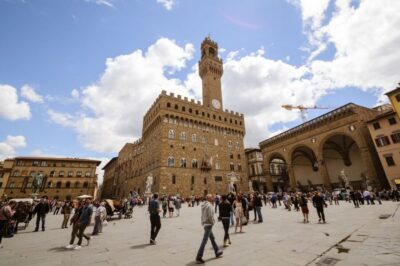
Venice In a Day: St Mark’s, Doges Palace Gondola Ride & City Tour
Read our review →Browse the lists this tour appears in